HOW TO MAKE DIY CAFE CURTAINS: EASY TABLECLOTH UPCYCLE TUTORIAL |SOH AT HOME - EP 7

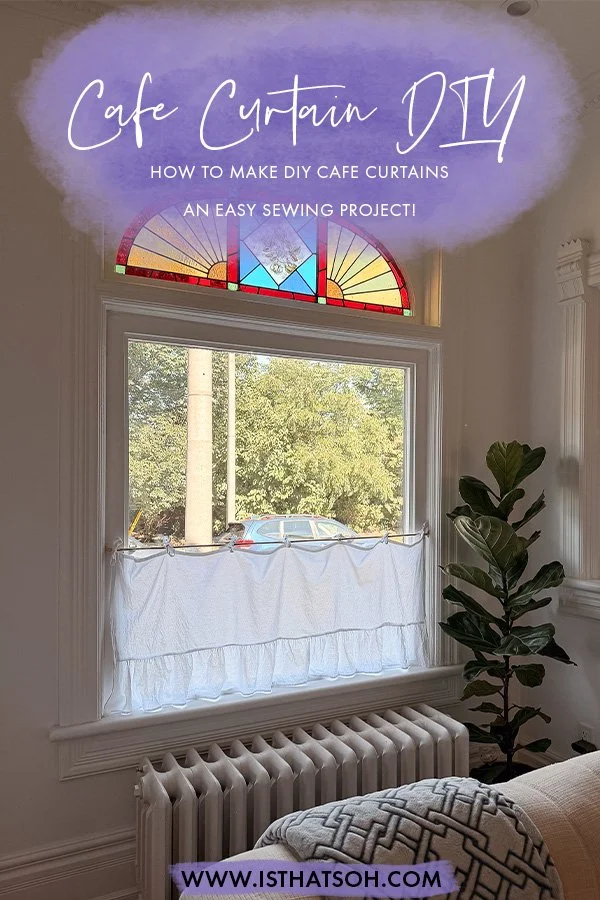
Change to White DIY cafe curtain made from an upcycled tablecloth hanging on a brass curtain rod.

Finally getting the privacy I desired thanks to this recently completed cafe curtain DIY!

* Please Note - Some links in this blog post are affiliate links *

One thing I have always loved about this house is all the natural light. At the front of our house, we have this beautiful large window featuring an original stained glass piece that instantly catches your eye when you walk in. The window fills the room with the most gorgeous light but unfortunately doesn’t do much in the way of providing privacy from passersby while sitting inside, or hiding our unsightly garbage cans we have tucked in the front corner along our side walkway. I thought about hanging some drapes or playing around with window treatments previously while doing my master bedroom makeover, but ultimately decided it would be a shame to hide the beautiful trim and details. Instead, I decided to use an old tablecloth I had lying around and turn it into a cutesy little cafe curtain—a surprisingly super simple sewing project that paid off big time! Not only did I achieve my desired outcome of providing more privacy and hiding my unsightly garbage bins, but it still lets all the natural light into the room while adding to the traditional beauty of the room instead of hiding it.

Step-by-Step DIY Bistro Curtain Tutorial

Materials & Tools Needed

  • Fabric or Tablecloth - I can’t remember where I got mine but you can find similar ruffled hem tablecloths on Amazon

  • Brass cafe curtain rod & mounting cafe curtain hardware - I got mine from Rejuvenation

  • Measuring tape & fabric scissors

  • Craft/pattern paper, pencil, paper scissors & ruler

  • Sewing machine, pins & thread

  • Iron & ironing board

  • Small screwdriver or point tuner (for turning ties)

Step by Step Easy Sewing Instructions

Step 1: Draft Your Pattern & Measure Your Window

To ensure your cafe curtains have a relaxed, elegant gather rather than sitting completely taut, you'll want to add extra width to your measurements.

1. Measure Width: Measure your window width and add 6 inches for natural fullness, plus 1 inch for side seam allowances.

2. Measure Height: Determine how high you want your bistro curtain to sit, adding 1 inch of seam allowance to the top edge if using a tablecloth with a finished bottom edge like I did otherwise you’ll want to add another 1 inch of seam allowance at the bottom too.

3. Mark Notch Locations: Mark evenly spaced notches along the top edge of your pattern paper where you want your fabric ties to attach.

4. Draft Tie Patterns: Draft a pattern for your fabric bows/ties. Make the length of your ties at least 16 inches long to ensure you have enough length to tie neat, tidy bows around your cafe curtain pole. The longer you make them the larger the bows can be. I made the width of my ties 1.5 inches with seam allowance.

Pro Tip: When drafting the ties, aim for a 1/4-inch seam allowance rather than 1/2-inch. This gives you a finished 1/2-inch wide tie that is significantly easier to turn right-side out!

Step 2: Cut Out Your Fabric Pieces

1. Main Panel: Lay your pattern on the tablecloth, aligning the bottom edge of your pattern directly with the existing scalloped or flounced tablecloth hem. Cut out the main white cafe curtain panel.

2. Fabric Ties: Fold your remaining fabric over several times and pin the tie pattern on top. Cut out all ties at once (I needed 7 ties but how many you need will depend on your window width)


FOLLOW ME ON INSTAGRAM @ISTHATSOH


Step 3: Prep and Sew the Fabric Ties

This part of the process makes this DIY one of the easiest sewing projects for elevating your window decor:

1. Stitch the Ties: Fold each tie strip right-sides together and sew down the long side and one short end using a 1/4-inch seam allowance.

2. Turn Right-Side Out: Clip the corner seam allowance, then use a small screwdriver or point turner to push the fabric right-side out.

3. Press & Topstitch: Press each tie flat with an iron. Fold the remaining raw edge inward using a hand needle to tuck it neatly, then topstitch the end closed.

Step 4: Attach Ties to the Curtain Panel

1. Pin each tie along the top edge of your curtain panel at your marked notch locations.

2. Crucial Step: Set the outermost ties back 1 inch from the left and right edges. This ensures they won't get caught in your side hems when you finish the edges later!

3. Baste or stitch the ties into place an inch away from the raw top edge as illustrated in the above photo. The top edge will get rolled in later for a nice finish.


ENJOYING THIS CONTENT? CHECK OUT SOME OF MY OTHER EPISODES AND BLOG POSTS!


Step 5: Hem the Edges

1. Side Hems: Double-roll the side edges 1/2-inch to conceal the raw fabric edges and topstitch down both sides.

2. Top Hem: Double-roll the top edge 1/2-inch and topstitch across. As you sew along the top, make sure to fold the attached fabric ties out of the way so you don't accidentally catch them in your seam.

Step 6: Install Hardware & Hang

1. Mount your brass cafe curtain rod wherever you want your privacy line to sit.

2. Tie your cafe curtain onto the cafe curtain rod using the attached fabric ties, tying them into sweet, uniform bows.

3. Adjust the gathers so the fabric falls softly across the window evenly.

Whether you call them bistro curtains, cafeteria curtains, or classic cafe curtains, this quick upcycling project gives you maximum privacy while letting all that gorgeous morning light filter into your home!

Thank you so much for joining me today and for checking out my new YouTube series Soh At Home! If you have any questions or comments about how to make DIY cafe curtains, please feel free to leave them below!

Until next time,

- Soheila

MORE BTS PHOTOS FROM THIS EPISODE


PIN THIS POST

DIY cafe curtain Pinterest Pin

SOH AT HOME - EP 6 - BUILDING THE ULTIMATE BASEMENT: MURPHY BED & MIRROR CUBE DIY (IKEA HACK)

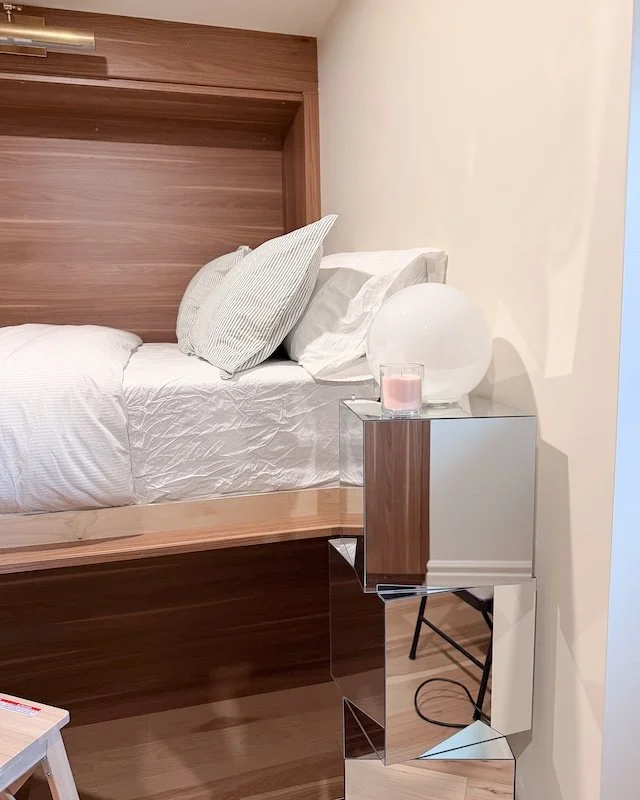
Murphy Bed Styling Ideas and Ikea Mirror cube hack - mirrored nightstand DIY

This cool IKEA hack made for a perfect nightstand for my newly finished Murphy bed!

* Please Note - Some links in this blog post are affiliate links *

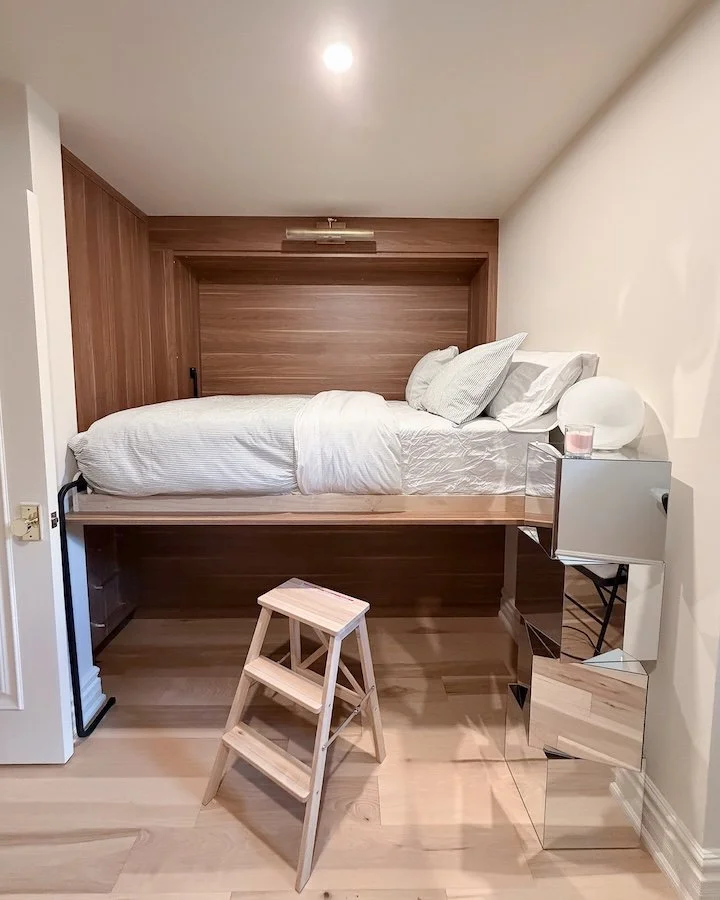
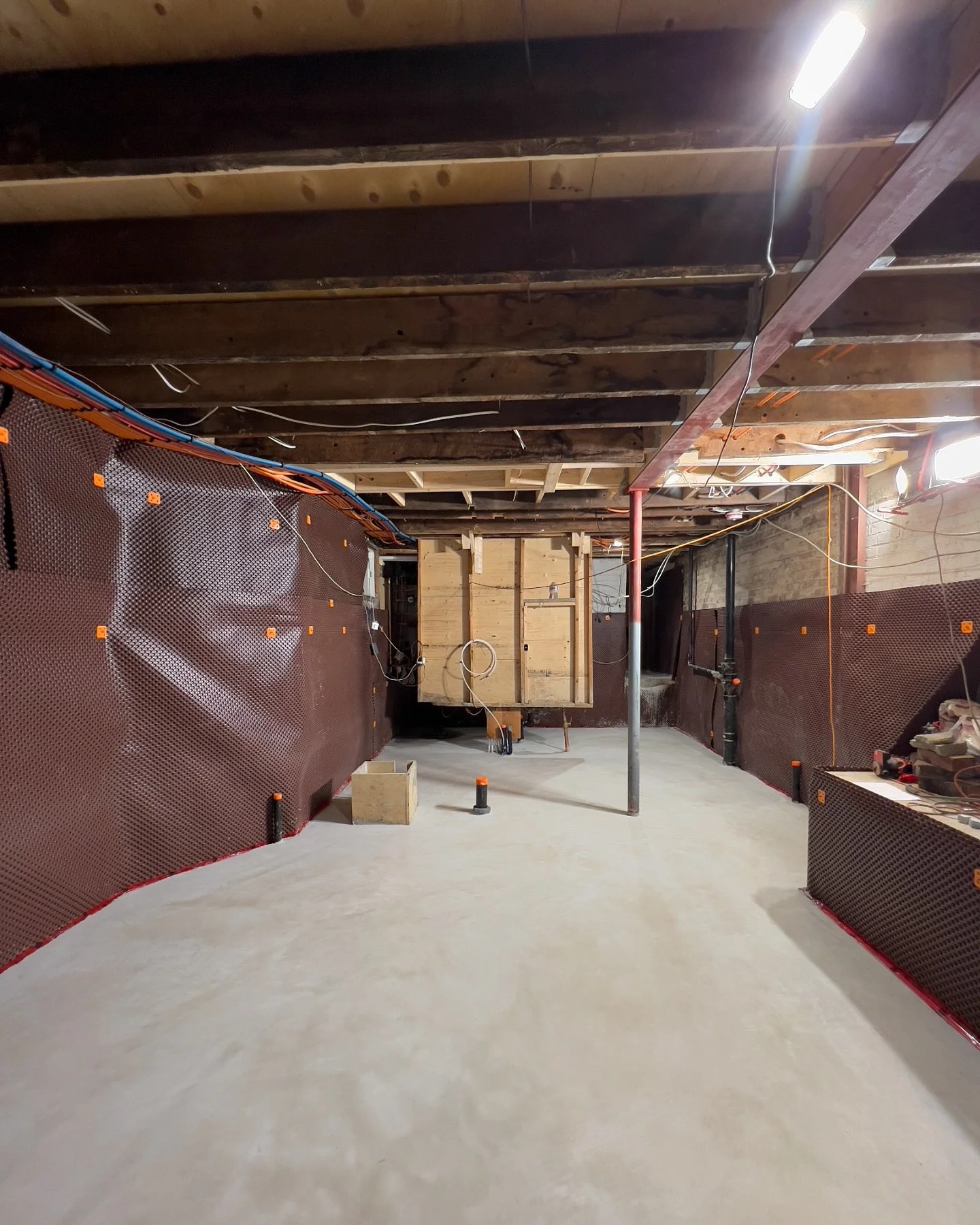
I’ve said it once and I’ll say it again: this house is a game of inches. During our recent home renovation, I was constantly trying to maximize functionality without compromising space. Case in point: after underpinning the basement, we were left with a massive concrete bench right in the middle of what would eventually become our home office.

Sure, I could have turned the space above the bench into shelves or extra storage, but with only one guest bedroom in the house (which could quickly become zero if our family grows!), adding another sleeping option took priority. Plus, I’ve always wanted to try a Murphy bed to see if they’re actually as comfortable and convenient as they look.

After the heavy construction wrapped up and our basement renovation was complete, I never quite got around to finishing the Murphy bed unit—until now, when my ADHD brain desperately needed a side quest from the backyard makeover I’m currently in the thick of! Over the past few weeks, I’ve been busy putting on the final touches, figuring out the styling, and hunting for the perfect accessories to make the space both highly functional and beautiful. That includes a killer IKEA hack mirror cube DIY I just finished to use as a nightstand!

BUILDING THE ULTIMATE BASEMENT: MURPHY BED & MIRROR CUBE DIY (IKEA HACK)

Step-by-Step Guide: Building the Mirror Cube Pedestal

Before you dive into this DIY, you’ll need to do some quick math and a little shopping. To build one mirror cube, you will need one small IKEA LACK table and five BLODLÖNN mirrors. Because the mirrors come in packs of four, make sure to grab an extra pack so you aren't left short! While you're on your IKEA run, you’ll also want to hit up your local hardware store for some heavy-duty construction adhesive and painter's tape.

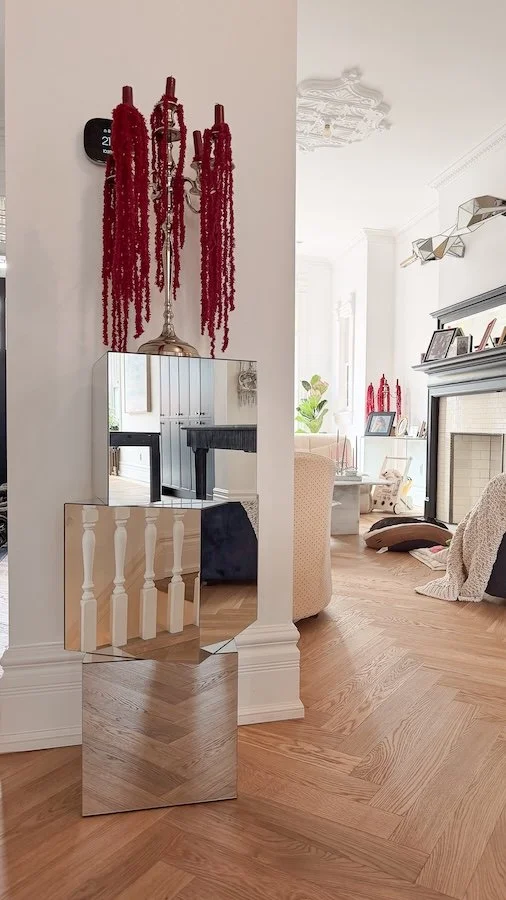
Ikea mirror cube hack - mirrored nightstand DIY - Trendy DIY Side table.

Before using it as my Murphy bed nightstand I experimented with it as a pedestal in my dining room.

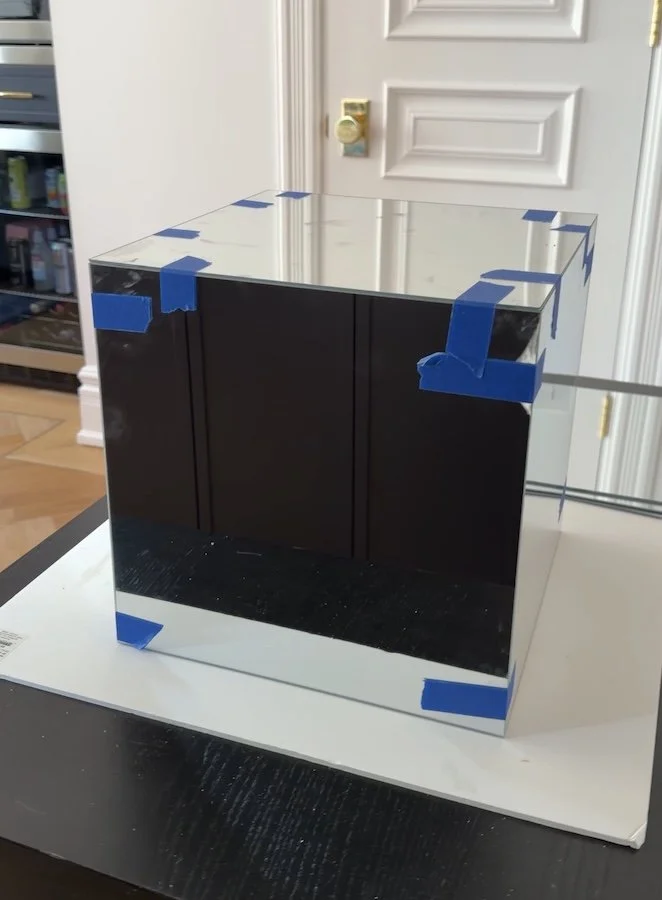
Here is exactly how the assembly comes together:

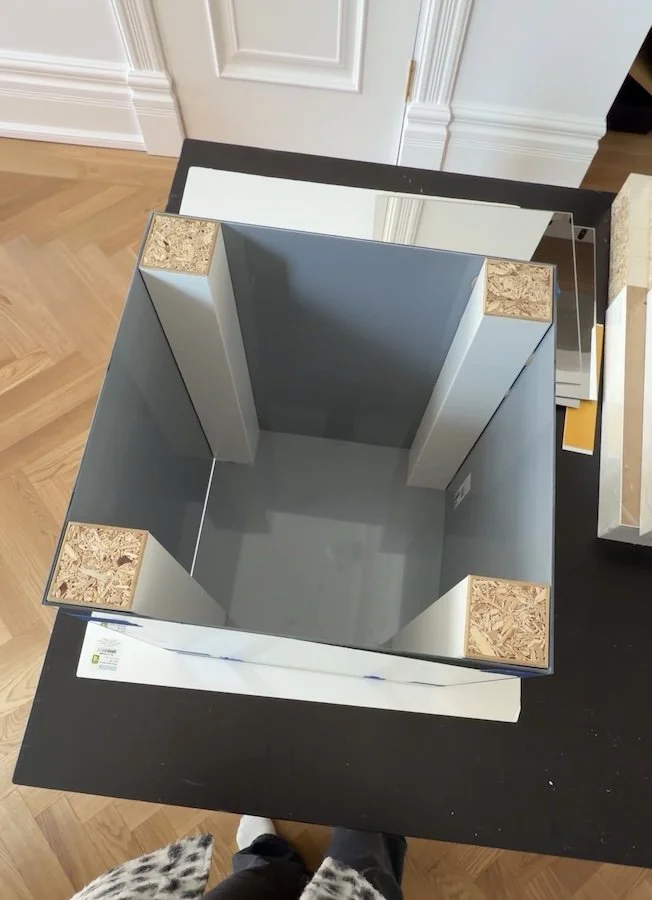
  • Prep the Frame: For this build, we are actually only using the legs of the LACK table, so you can set the tabletop aside for another project.

  • Secure the Base: Apply your construction adhesive to the first two legs, flip them over, and line them up perfectly with the outer edges of your first mirror pieces. Repeat with a second mirror.

  • Build the Box: Stand the legs up, apply glue to the remaining exposed leg sides, and press the next two mirrors into place to form your outer box structure.

  • Pro Tip for a Strong Bond: Reach inside the hollow box and gently push the legs outward. This helps spread out that sandwiched adhesive to ensure a really secure, flush bond against the glass.

  • Lock It Down: Wrap the corners tightly with painter's tape to keep all the edges perfectly aligned and sturdy while the glue sets.

  • Cap the Top: Once the sides are secure, apply adhesive to the top of the legs and drop your final mirror piece into place to seal the cube.

When it's done, you'll have a gorgeous, seamless mirror box that is completely hollow on the inside if you flip it upside down. You will want to give these a full 24 hours on a flat surface to cure completely before handling them. To get the perfect, dramatic pedestal height for my Murphy bed nightstand, I repeated this process and stacked four of these finished cubes on top of each other!

Trendy DIY Side table - ikea mirror hack - mirrored nightstand DIY.

I love how versatile this mirrored cube DIY is and how you can easily adjust the height to whatever size you need.


FOLLOW ME ON INSTAGRAM @ISTHATSOH

Finishing Touches & The Final Look

24 hours later it was time for the best part: styling the space. While I was at IKEA, I also grabbed a handy step stool and some fresh bedding, which I gave a quick wash before setting up the Murphy bed. Once the bed was made, I brought in my newly cured mirror cubes and gave them a thorough cleaning. Let me tell you, it is almost impossible not to get construction adhesive all over your fingers—and the glass—during this DIY! To save the day, I used Krud Kutter and a microfiber cloth to effortlessly cut through the leftover glue, followed by a quick spray of Windex to get that flawless, high-shine finish.

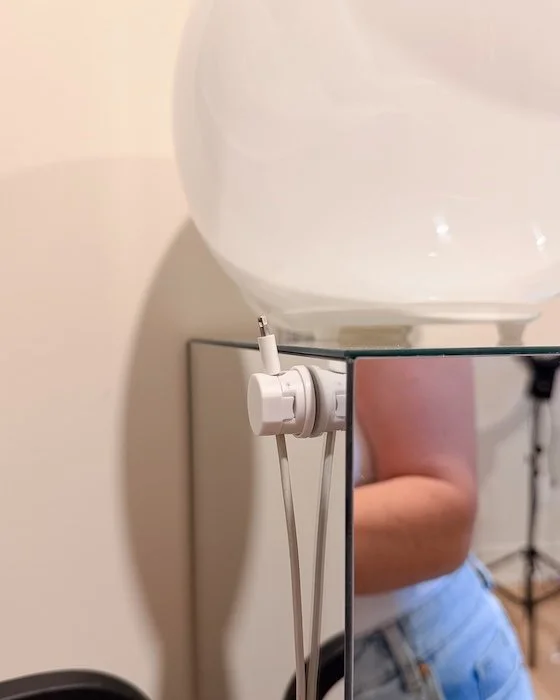
To complete the look, I accessorized the top of my new pedestal nightstand with a classic IKEA FADO globe lamp, a cozy pink candle, and some genius adhesive cable clips I found on Amazon so my phone charger never slides out of reach behind the bed. After weeks of hard work balancing this room with the backyard makeover, it was finally time to sit back, relax, and admire how a few clever inches completely transformed this functional home office into a cool guest room!


ENJOYING THIS CONTENT? CHECK OUT SOME OF MY OTHER EPISODES AND BLOG POSTS!


The Reality of Building a Basement Murphy Bed

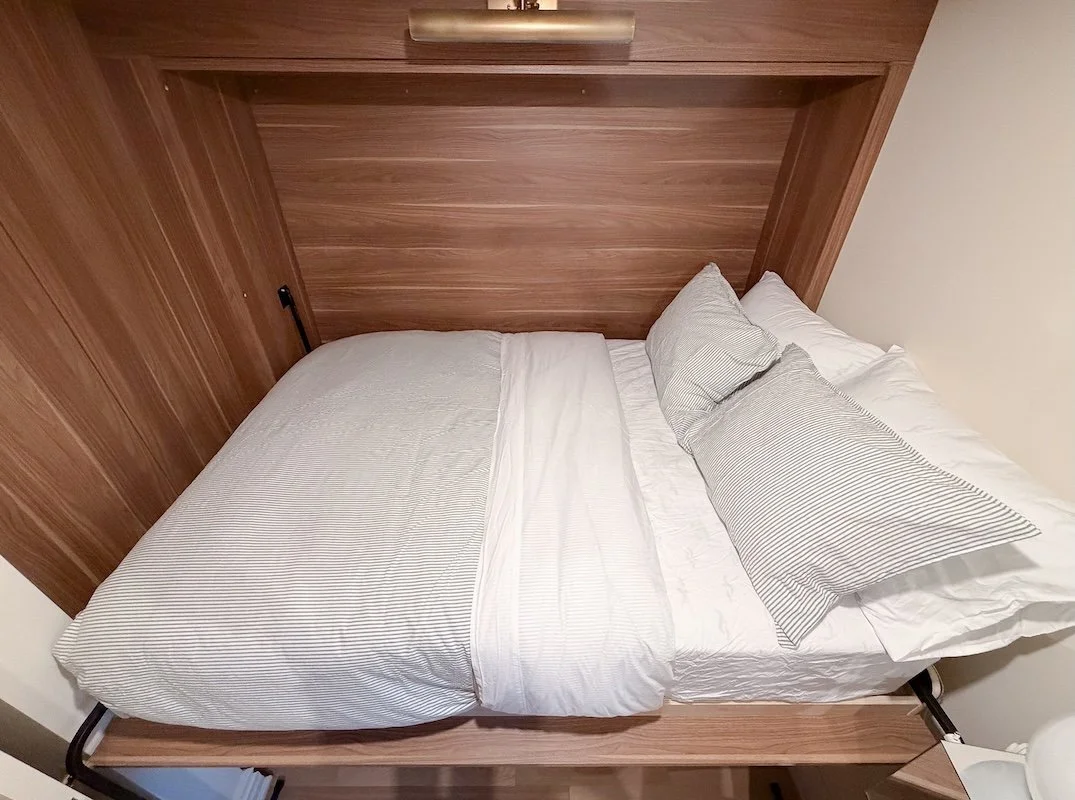
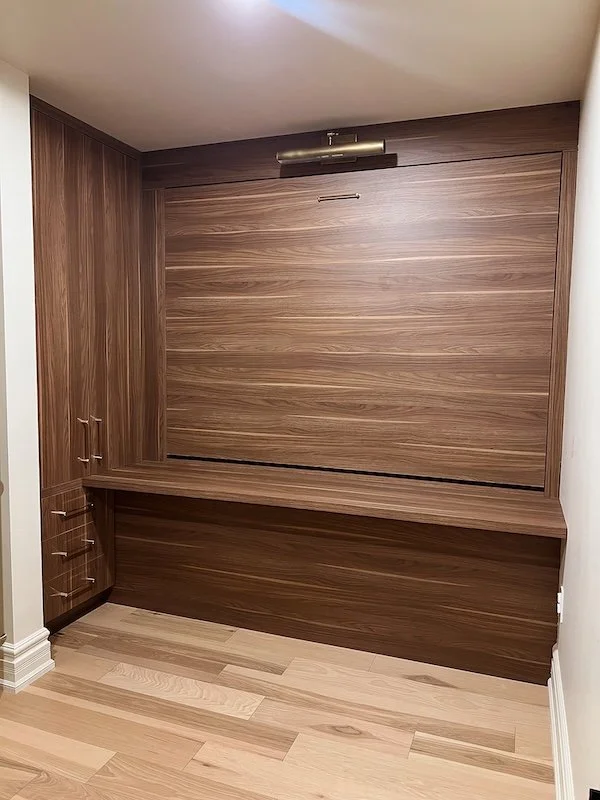
Don't let the smooth final look fool you—getting this Murphy bed into our custom cabinetry was a massive game of Tetris. Because we were working with tight basement constraints and that concrete underpinning bench, a standard vertical queen bed was out of the question. Instead, we could only fit a twin-size mattress designed to fold down horizontally.

When I started sourcing the hardware, I nearly choked on the price of professional-grade mechanisms, which clocked in around $3,000. Luckily, I found a highly rated DIY Murphy Bed kit on Amazon for under $300. But fair warning to anyone looking to replicate this: even with a budget-friendly kit, this is not a beginner Sunday afternoon project. It takes some serious carpentry experience to get everything aligned. Honestly, even with a seasoned carpenter on hand, building it into our custom cabinetry was still a challenge.

Toronto Victorian home - home renovations - basement renovation - finished basement - Toronto Blogger - office cabinetry with murphy bed in wall - murphy bed with desk

We had a custom cabinet made for our Murphy bed and even with a seasoned carpenter doing the install, this project was no walk in the park.

Because of our unique space, we also had to make a few major modifications:

  • Custom Leg Extensions: The legs that came with the kit were designed for a bed cabinet sitting flat on the floor, not elevated on a concrete bench. We had to get the legs custom-extended to make up the height difference.

  • The Leg Storage Compromise: Because of those custom extensions, the kit’s built-in self-storing rotational mechanism no longer worked. The bed is still 100% stable and functional, but we have to manually screw the legs on when the bed is in use and remove them when we store it away.

Is a Horizontal Murphy Bed Actually Worth It?

Since we used a standard, high-quality mattress, it’s incredibly comfortable—though if you’re a particularly tall guest, a twin size might feel a bit tight! For short-term visits, it is absolutely going to come in handy.

The biggest caveat? It is definitely disruptive to my day-to-day workflow. Because of the room layout, my office desk has to be completely moved every single time the bed comes down. But then again, how much work do you really plan on getting done when you have guests in town anyway?

Was all the troubleshooting worth it? Only time will tell, as we haven’t actually had our first official guests test it out yet. But after leaving it sitting on the back burner for so long, it feels incredibly good to finally check this massive project off my list.

Thank you so much for joining me today and for checking out my new YouTube series Soh At Home! If you have any questions or comments about my Murphy bed or mirror cube DIY, please feel free to leave them below!

Until next time,

- Soheila


PIN THIS POST

SOH AT HOME - EP 4 - BOLSTER PILLOW DIY

Bolster Pillow DIY - Easy Sewing Projects - DIY Upholstery projects - green master bedroom with stained glass bay window - Victorian home

My king size bed feels even more elevated now thanks to my new bolster pillow!

* Please Note - Some links in this blog post are affiliate links *

Let’s make a custom bolster pillow!

I wish I could take credit for this DIY but I would be lying. The idea of making a custom bolster pillow came to me during a call with my designer at Blinds To Go. I told her in passing that I could sew and she suggested I try and add a bit of the embroidery fabric in my roman shades, across the bed. Such a brilliant idea! I couldn’t resist! Following my master bedroom refresh, I received a package from them with a little extra fabric for my bolster pillow! Wow! Thank you!

Before starting this project I first needed to decide on what size of bolster pillow I wanted. I took the fabric up to my room, laid it out and tried to envision it. I tested various sizes with my measuring tape and ended up landing on 40 inches. It felt like a good size for a bolster pillow given the other two layers of pillows already going on and felt well proportioned when matched with a 7 inch diameter.

Materials & Tools I used to complete this project:

Paper
Ruler
Pencil
Paper Scissors
Fabric Scissors
Non Woven Fabric - For Insert
Poly Fill - For Insert
White Thread
Sewing Machine
Sewing Needle
Fabric from Blinds To GO - for cover
Invisible Zipper - for cover
Cord Piping - an extra detail you can skip
Fabric Cover Button Kit - an extra detail you can skip

Bolster Pillow Insert Finished Dimensions: 42 inch long with 7 inch diameter - must be 2 inches wider to ensure the bolster pillow fills out nicely

Bolster Pillow Cover Finished Dimensions: 40 inch long with 7 inch diameter

Step 1: Bolster Pillow Insert

To calculate the pattern size for the insert you first need to start with the two end pieces. Simple add 1 inch to the finished diameter for seam allowance - so 7 becomes 8

Next, for the body you want to add 2 inch to the width - 40 becomes 42
and the length is calculated by multiplying the finished diameter by pie - 7 x 3.14 = 22 add 1 inch for seam allowance = 23
So 42 x 23 was the size of my body pattern!

With all my insert pillow pieces cut out, I could begin to sew them together making sure to leave a small hole in the body so I could get that stuffing in later. Once stuffed I could then just hand stitch the hole closed.


FOLLOW ME ON INSTAGRAM @ISTHATSOH

Bolster Pillows - Easy Sewing Projects - steps to make a bolster pillow cover with cording detail

All the pieces for my bolster pillow cover are cut out and I am now ready to start sewing!

Step 2: Bolster Pillow Cover

With the insert done I could move onto my cover. Since this fabric has a pattern repeating on it I wanted to centre that fabric properly. To do so I folded it over and pinned it in place before measuring 20.5 inches from that fold. This would again give me enough fabric to achieve the finished 40 inch width I was after with seam allowance. For the length I used that same 23 inch measurement as before.

For the two end pieces, since I wanted a pleated look, instead of using the same circular pattern I used for the insert I instead cut two 6 inch strips the same length as the body (23 inches) to close the ends. If you don’t want to do the tuck or gather detail feel free to use the same pattern as before and cut out two flat end pieces.

With those three pieces cut out I could then begin to sew, starting with the invisible zipper. To ensure things line up you can pin the zipper into position as a guide like I did before sewing. With the invisible zipper in place you can close up the rest of the seam before pressing the seam allowance open and adding your cording detail. Feel free to skip this part if you don’t want this extra detail. I sandwiched the flange on my cord in-between my bolster body and end pieces and sewed it into the seam allowance. Once it’s all right side out this is what it should look like.

Bolster Pillows - Easy Sewing Projects - steps to make a bolster pillow cover with cord trim detail

I tried to create even pleats before sewing everything together and into place.

Flipping It back inside out again you can begin placing your pleats as you like, pinning them into place. Alternatively, you can do a gathering stitch and gather the area evenly if you don’t want defined pleats. To help bring it all together, use an elastic band to tie all remaining fabric, making sure things are centred before stitching all layers together. You ideally need to close the hole. It should be so well tied off you should later be able to take that elastic off and it will stay.


ENJOYING THIS CONTENT? CHECK OUT SOME OF MY OTHER EPISODES AND BLOG POSTS!


Fabric Covered Buttons

Bolster Pillows - DIY Bolster Pillow Cover and Insert - Bolster Pillow with Fabric Covered Buttons - master bedroom bedding and pillows - white linen with emoroidery detail

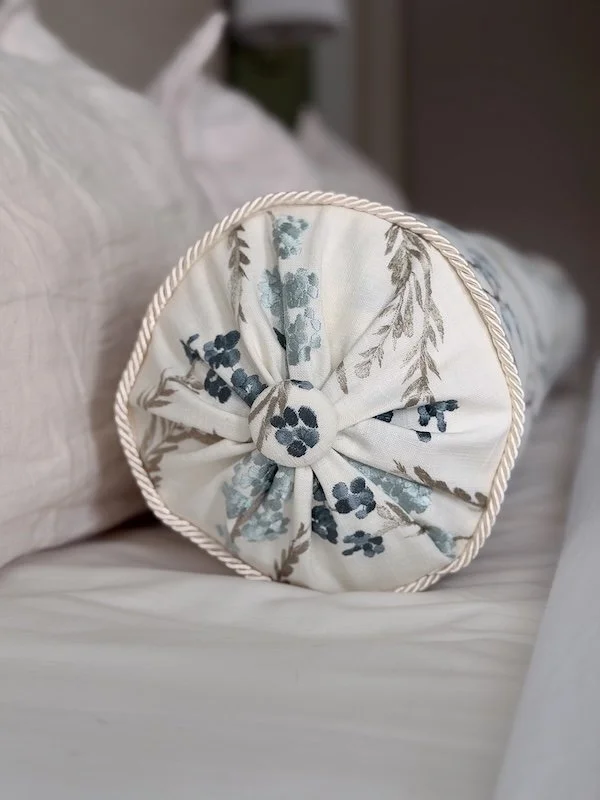
A close up of my new bolster pillow with cord trim and matching fabric covered buttons!

Once those holes were closed I used the fabric button kits I bought earlier, to make some quick fabric covered buttons. This was my first time making fabric buttons and I found it surprisingly easy thanks to the kit. The hardest part is deciding what section of the fabric you want to put on your button.

I attached my two fabric buttons to each end to my bolster pillow and wow! They finished everything off so nicely and made it feel super bespoke.

Thank you so much for joining me today and for checking out my new YouTube series Soh At.Home! If you have any questions or comments about this bolster pillow DIY and want to share your experience, please feel free to leave them below.

Before I sign off, I’d also like to say a big thank you again to Blinds To Go for sending me extra fabric but want to reiterate that, like always, all opinions remain my own.

Until next time,

- Soheila


PIN THIS POST

2026 INTERIOR DESIGN TRENDS

2026 Interior Design Trends - Lived In Spaces - Dining room with textile art tapastry

Source: Anthropology

* Please Note - Some links in this blog post are affiliate links *

2026 Design Trends

In a world where our news feeds are filled with turmoil happening around the world and we are constantly questioning what is real and what is fake, people are craving comfort, familiarity, and security now more than ever. Spaces that calms your nervous system and help you recharge after a long day of staying hyper vigilant are on the rise and 2026 interior design trends echo these sentiment with the use of grounding materials, nostalgic treasures and playful details.

Less AI, More ‘Lived-In’ Spaces

Yes, lived in! Places that feel too staged and unrealistic do nothing to help us let our guard down. Places with soul and personality do. How do we achieve this? With natural materials, meaningful objects that come with stories, and ‘intentional without being manicured’ living spaces. Take a load off, put your feet up and stress less because the the allure of ‘Pinterest perfect’ and heavily curated rooms has worn off.

2026 interior design trends - Lived in spaces - livingroom with credit ellerslie interiors

Credit Ellerslie Interiors


FOLLOW ME ON INSTAGRAM @ISTHATSOH

Saturated Blue

Said to represent clarity, peace, and stability, deep saturated blues have been gaining popularity when it comes to 2026 color trends with Deluxe naming an entire family of blues as their ‘2026 Colours of the Year’. Three great techniques designers use to incorporate trending colours into a home include colour drenching or double drenching, tonal layering (using a different shade on walls, ceiling and trim) and adding blue accent pops via decor, window treatments and furniture!

Solid Area Rugs

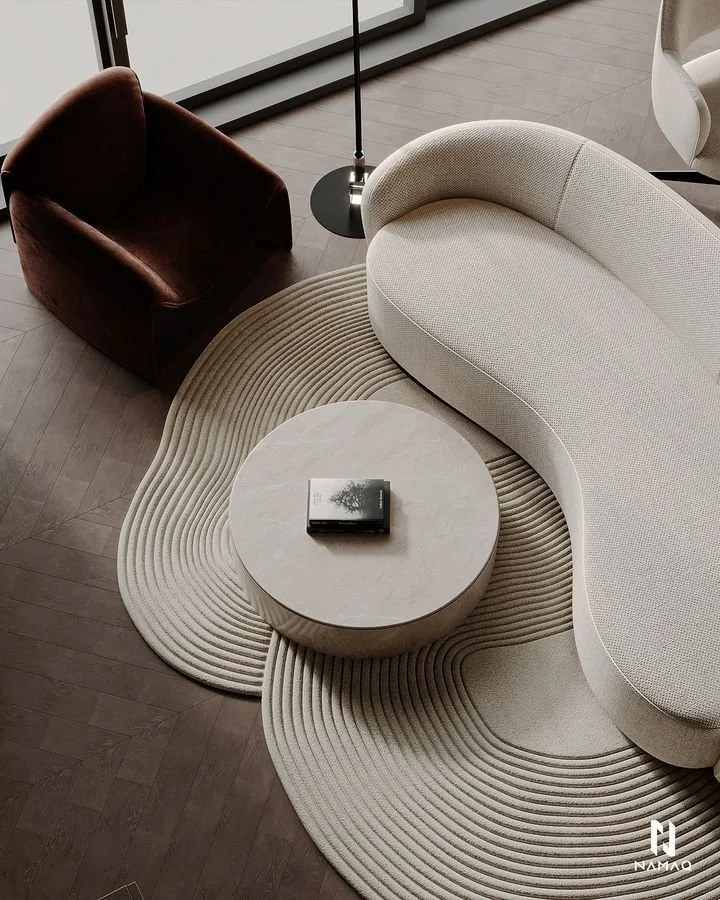
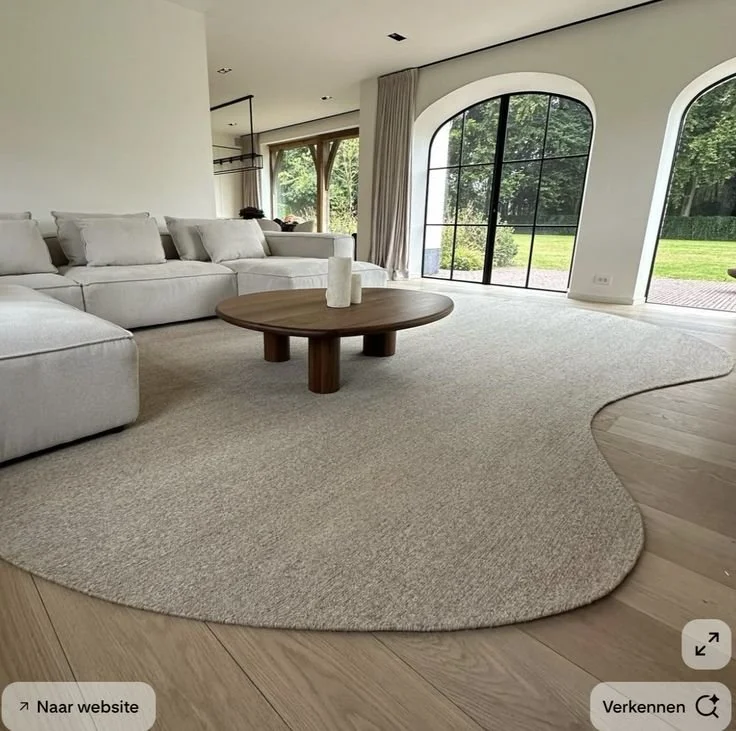
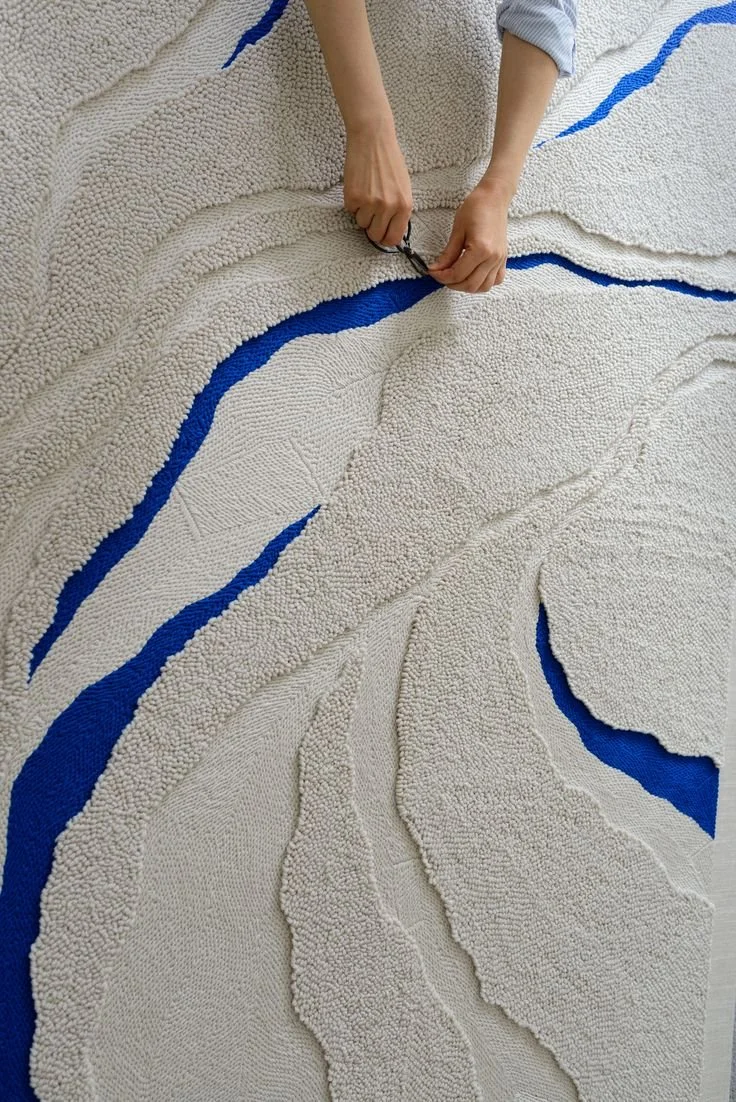
Where patterns and motifs used to dominate, solid area rugs are now gaining momentum but with a luxury upgrade that focuses on tactility. The use of ‘high-and-low’ pile profiles are a great example of this as they give solid area rugs ‘pattern’ or ‘movement’ by providing subtle ‘light-play’. A chunky weave can also do the trick by feeling rich and grounding while ‘biomorphic’ or irregular shaped solid area rugs (my favourite) can be eye catching - like a sculpture for the floor - and soften sharper furniture lines.

Interior Design Trends 2026 - burl wood furniture - dark wood sideboard - mid century design - credit arhaus

‘Burl Furniture’ is currently on the rise in Google search! Credit Arhaus

Warm Dark Woods in Furniture

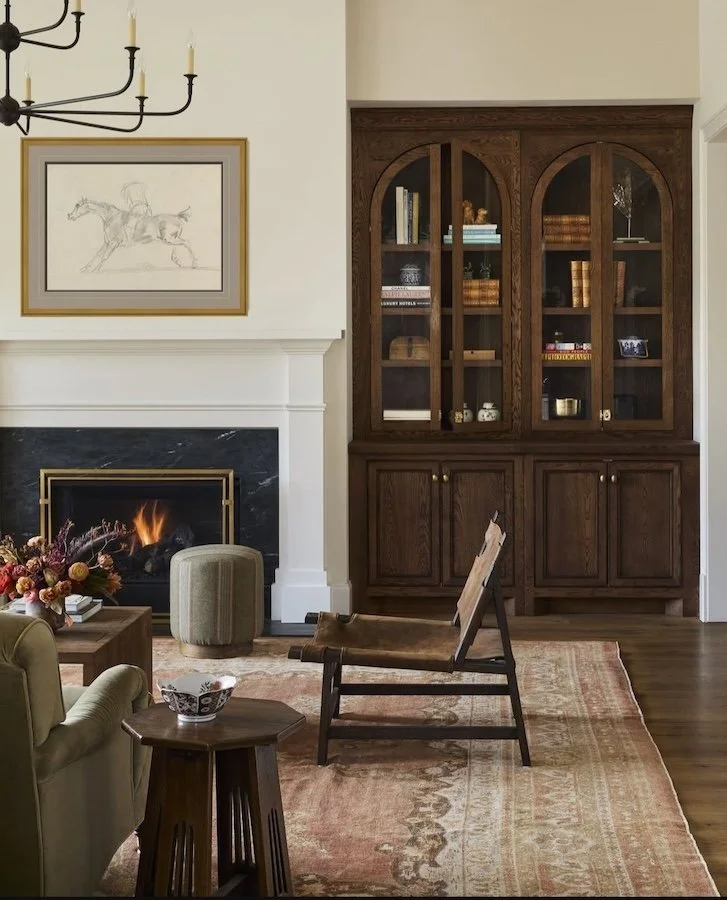
While last year cabinetry and millwork were popular places for designers to incorporate dark stains, this year dark furniture pieces will add to the momentum. A dark stained English oak sideboard can feel inherited even if they are brand new and give a room more warmth and character while also being grounded and cozy. It’s also a great way to take advantage of this growing wood trend without committing to an expensive remodel.

Tiles As The Main Character

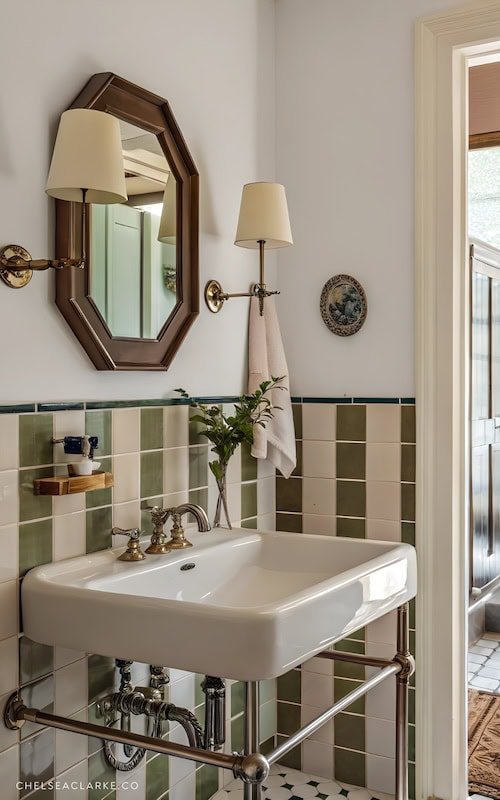
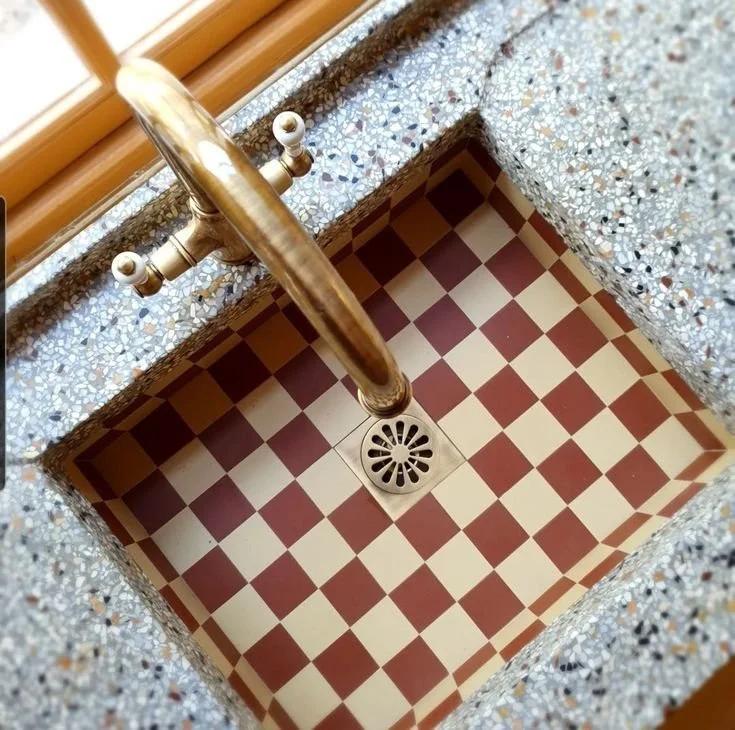
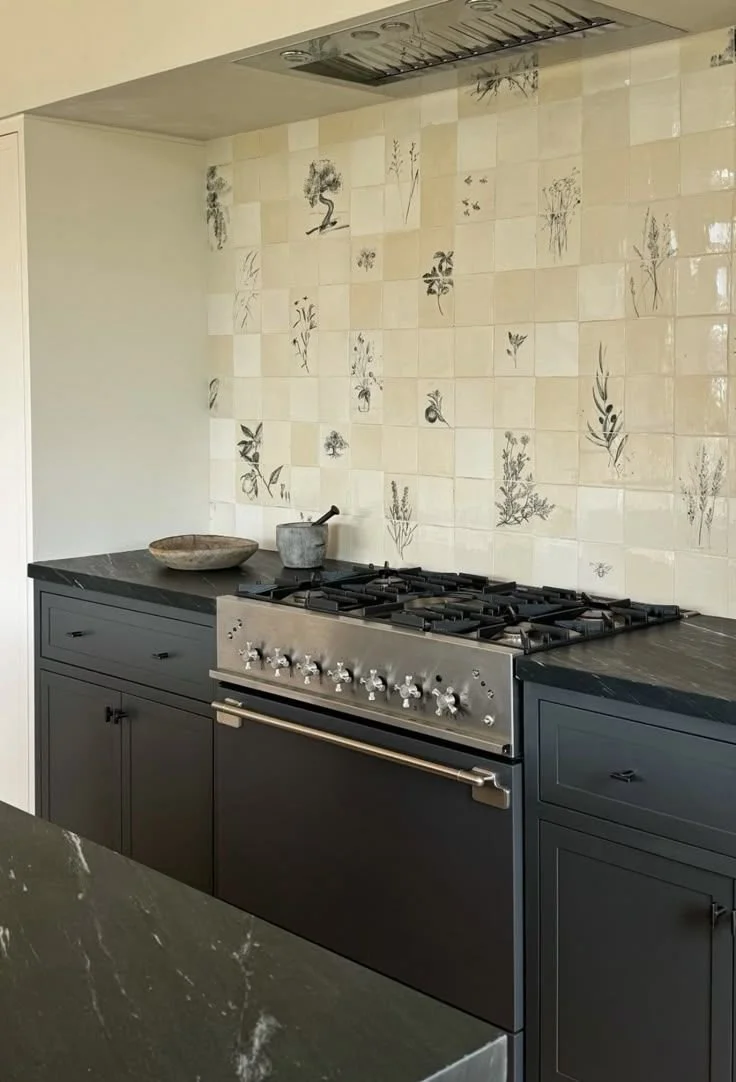
A great way to add visual movement or a backdrop to your space, tiles are another great way to give rooms and furniture pieces character and personality. Moroccan-style ‘Zellige’ tiles with irregular edges and tonal variations have been popular for the last few years. Now in 2026, you’ll see them being paired with tiles with decorative motifs in a technique called ‘pattern splicing’. To make this trend work, composition is key! First pick your pattern tile and then find something within the same tonal range for your ‘solid’. This is a great technique if you want to bring attention to a specific area of a room like a kitchen range or inclosed shower as it adds an unexpected pop of character without being to overwhelming.


ENJOYING THIS CONTENT? CHECK OUT SOME OF MY OTHER EPISODES AND BLOG POSTS!


2026 Interior Design Trends - Textile Art - Textile Wall Art - Tapestry - credit fern living

Credit: Fen Living

Hanging Textile Art & Tapestries

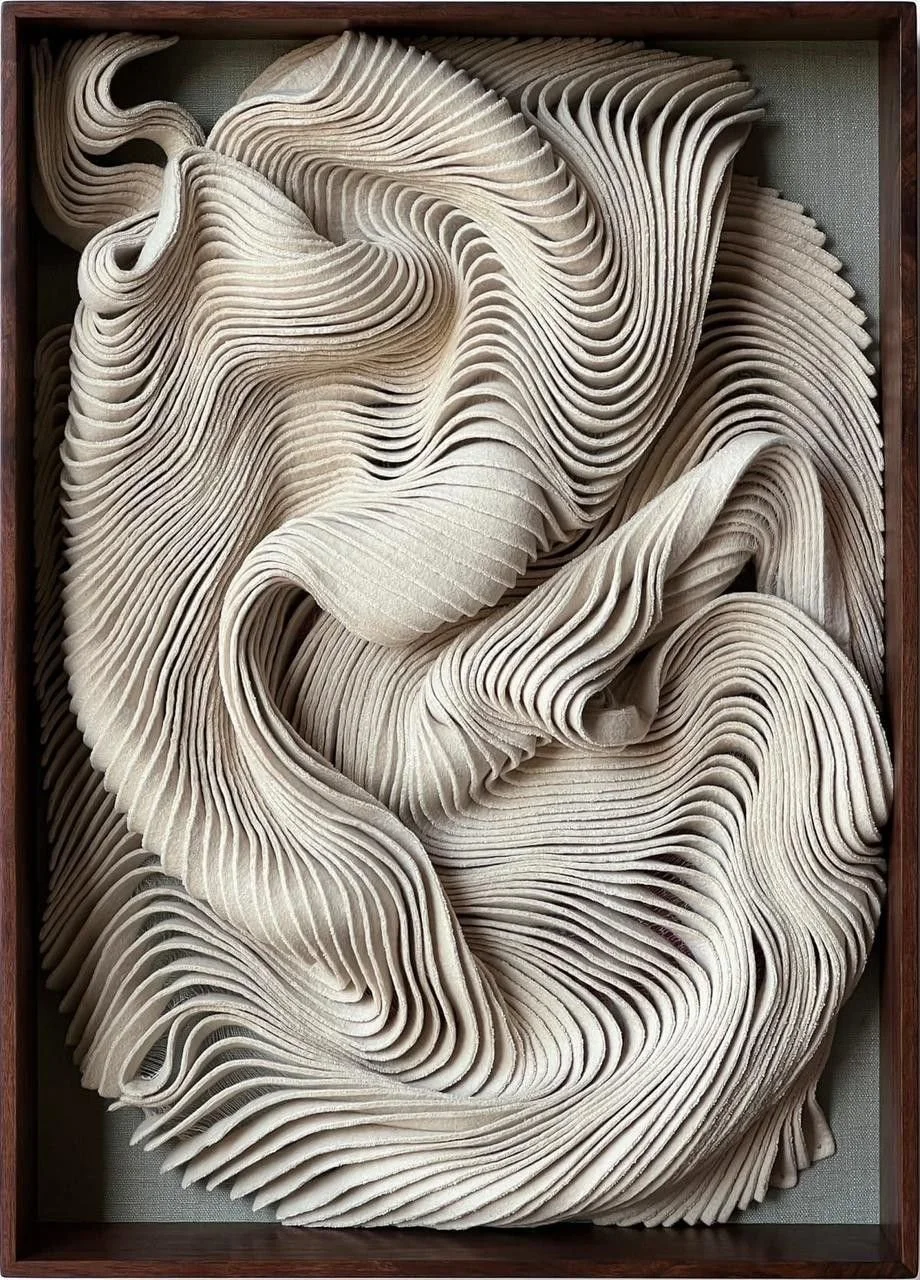
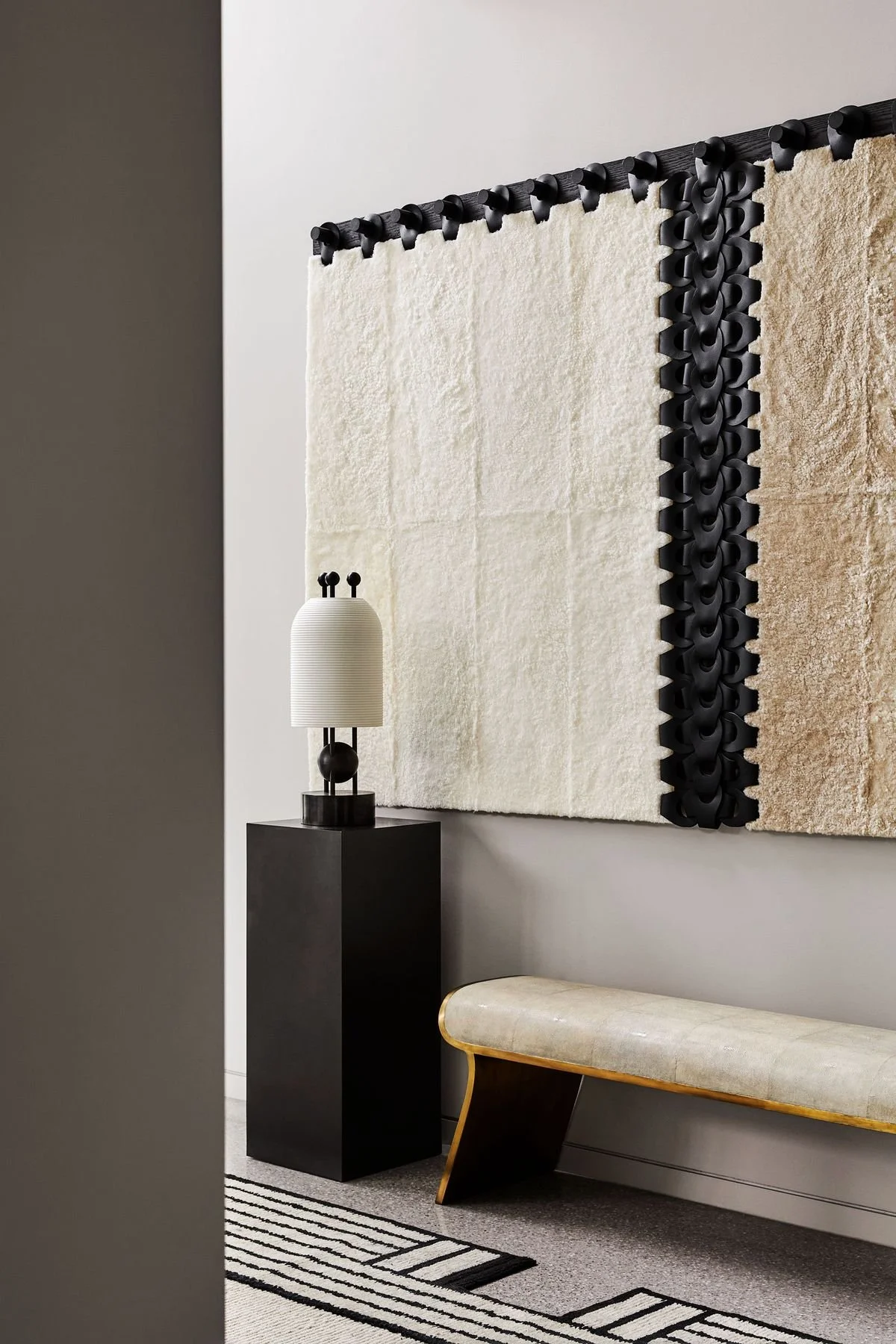
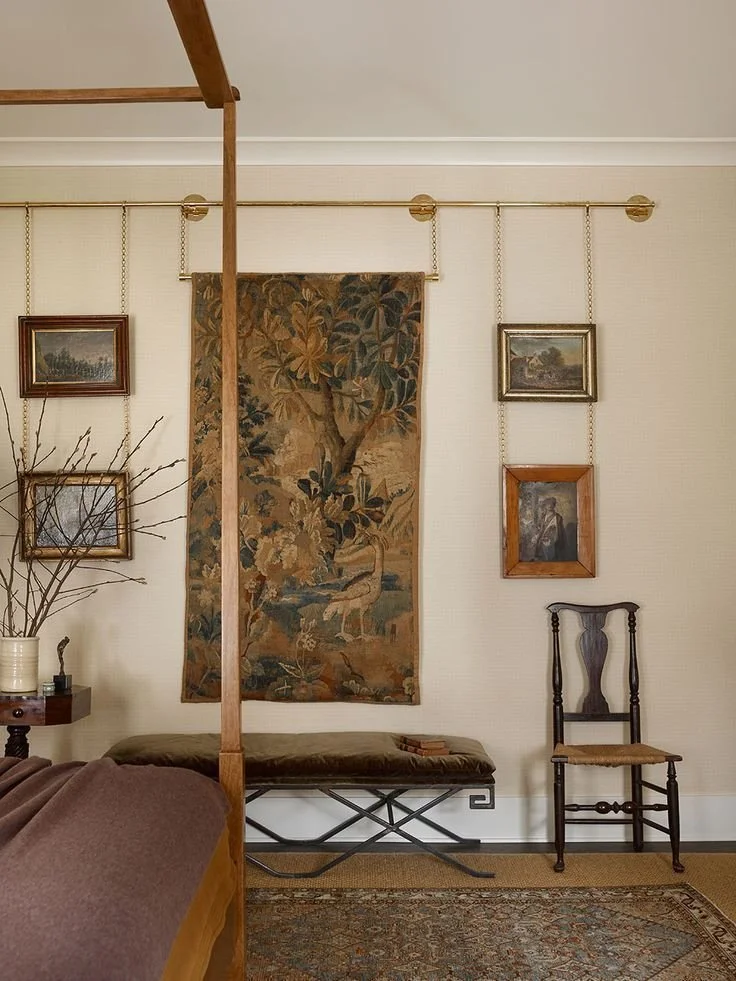
Just to be clear, I am not talking about bohemian macrame from a few years ago, I am talking about the use of vintage tapestries depicting landscapes and scenes, and artwork that incorporate textile materials. I have seen both designers and DIY YouTubers use hanging textile art and tapestries (many sourced second hand) in projects and their homes as a way to add warmth and character. A budget friendly way to incorporate this trend into your home is by stretching a vintage scarf or beautiful fabric over a frame.

Curved Ironwork

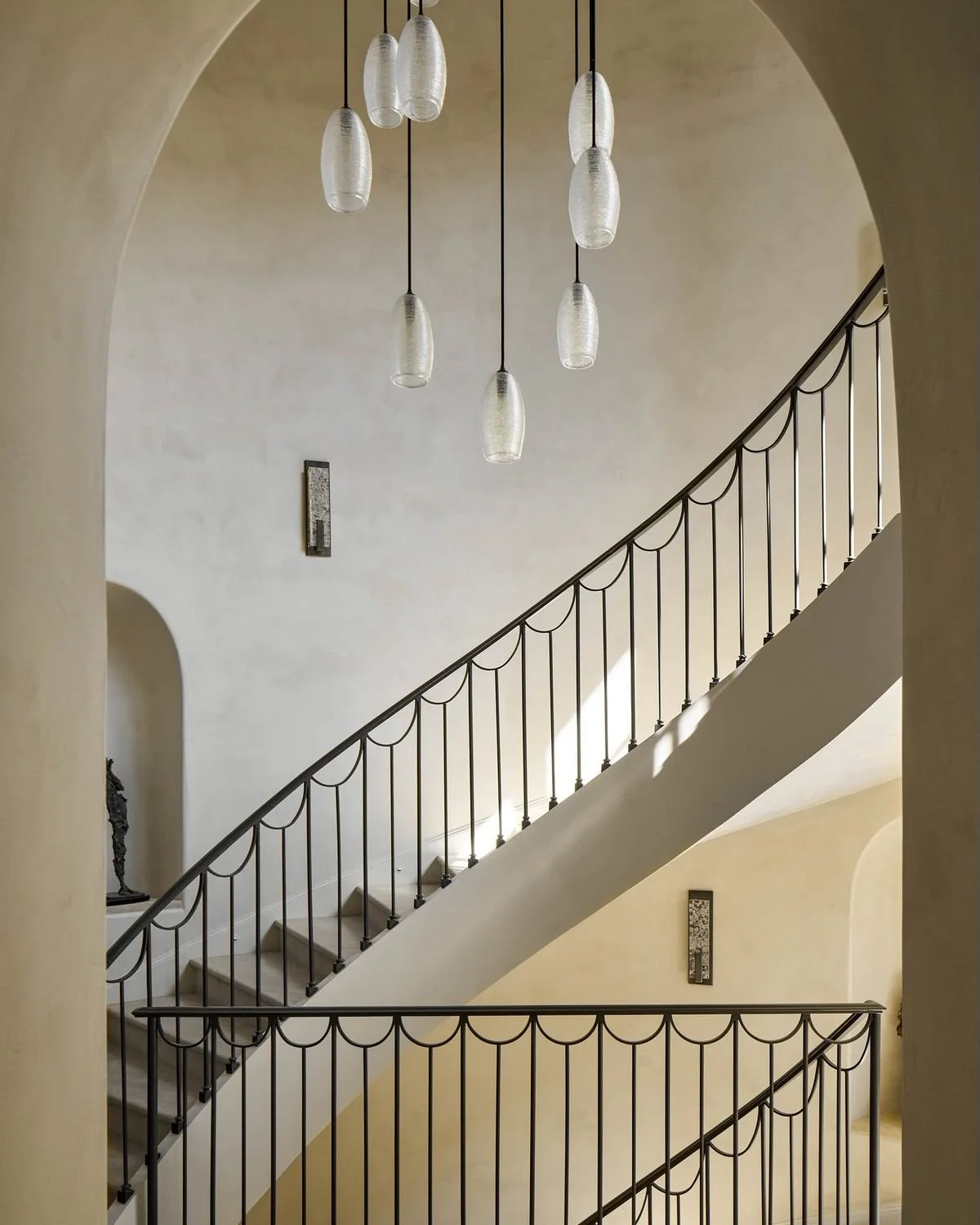
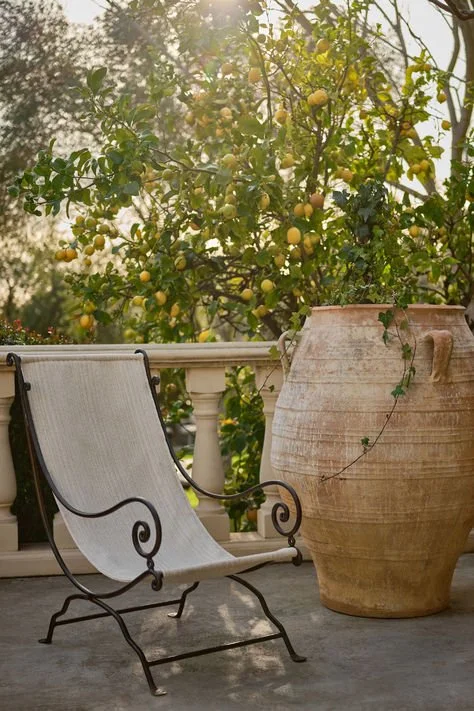
In 2026 you can expect to see more ironwork coming into play in lamp stands, balusters on a staircase, and in furniture as designers return to using classic materials with longevity over the ‘matte black finishes’ that have dominated in recent years. These ‘living finishes’ age over time but unlike the old, heavy ornate scrolls of the early 2000’s you can expect slimmer profiles, and more simpler, curved profiles.

2026 Interior Design Trends - accent chair with piping - source Pinterest

Source: Pinterest

Fringe, Piping, Embroidery, Oh My!

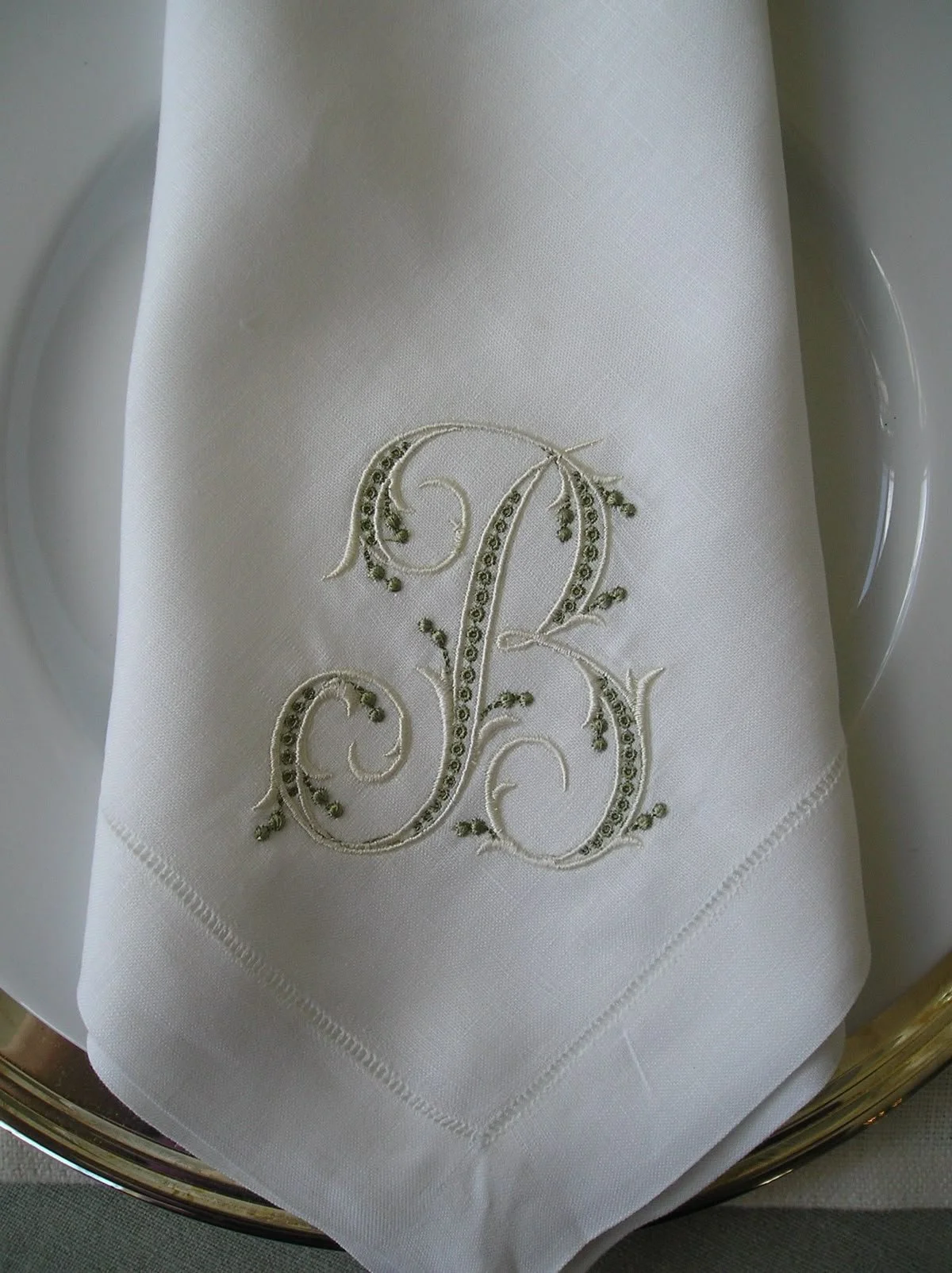
One of my favourite trends of 2026 is the use of fringe, piping, trim, and embroidery to add a touch of luxury and point of interest to a piece of furniture, decor or even window treatments. A plain white napkin can be easily elevated with a monogram addition. A accent chair can really pop with contrast piping. Drapes with fringe detail can take them from ready-made to feeling custom-made! It’s playful, it’s tactile and it’s a great way to make your home feel bespoke.

Animal Accents

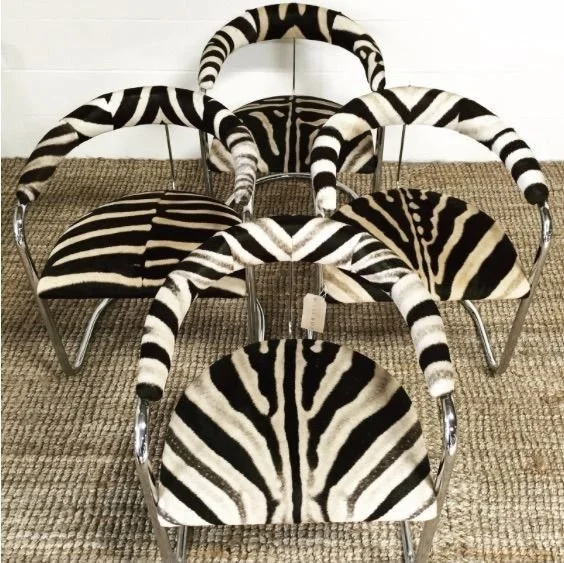
The use of animal prints have been popular in fashion over the past few years (especially with last year’s ‘cowboy’ trend) so there should be no surprise that it has now trickled down to interiors, but let this be a warning to use it sparingly. Although seen as an easy way to add personality to a room, it can be overpowering if not executed well. Slow and steady is the way to go as this trend (in my opinion) won’t have longevity. I would stick to pillows and smaller pieces as a way to incorporate it into a space without breaking the bank. That way if you get sick of it a year from now, you won’t cry about it.

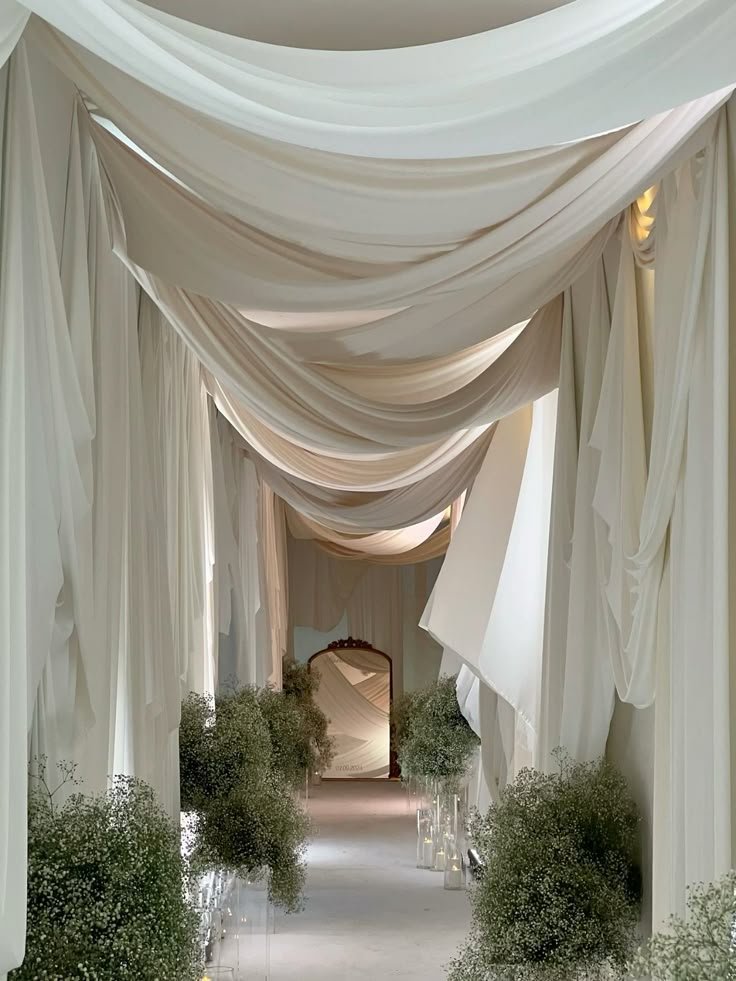
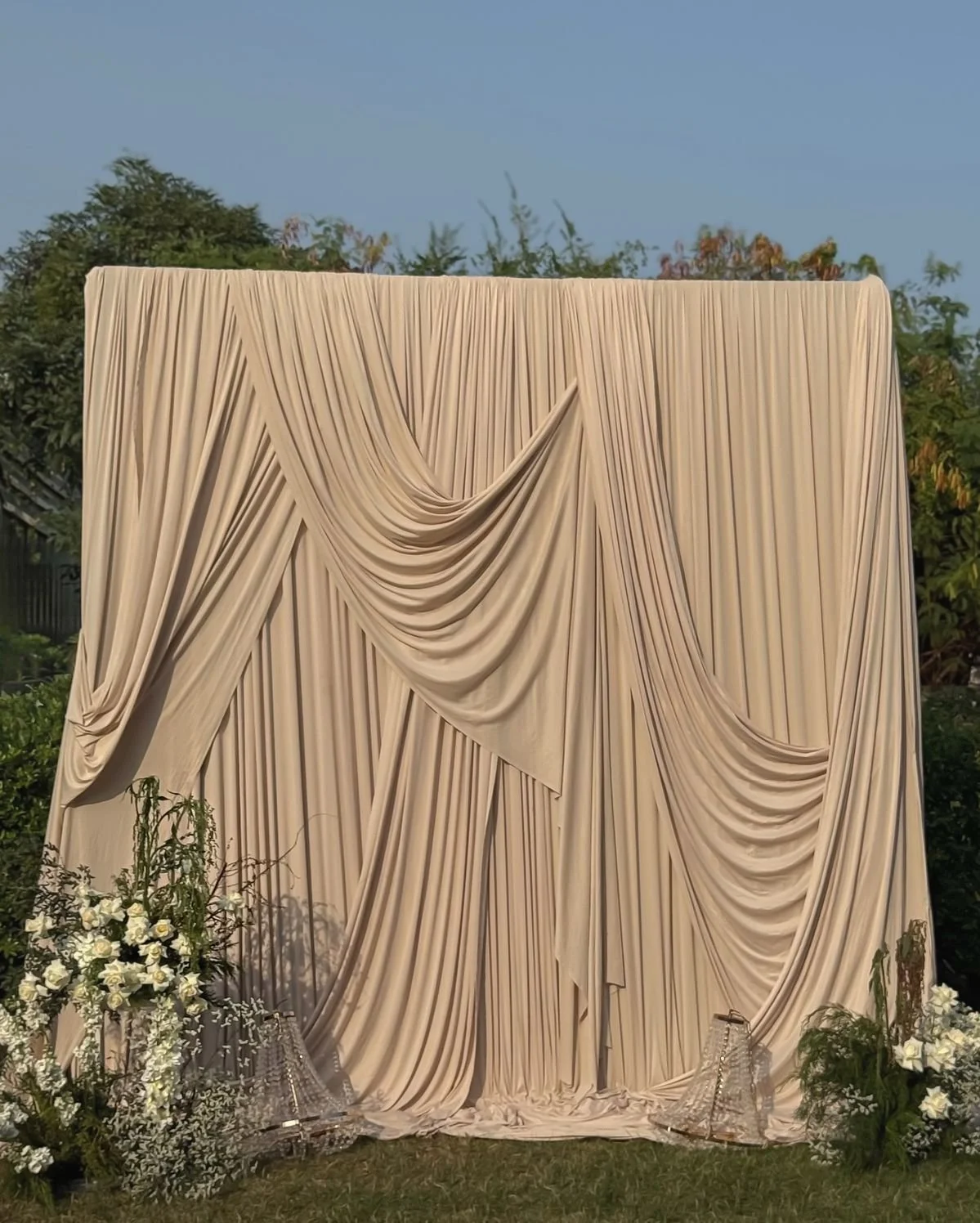
Interior Design Trends 2026 - dramatic drapery - wedding venue entrance - source pinterest

Dramatic drapery used at the entrance of a wedding venue - Source Pinterest

Dramatic Drapery

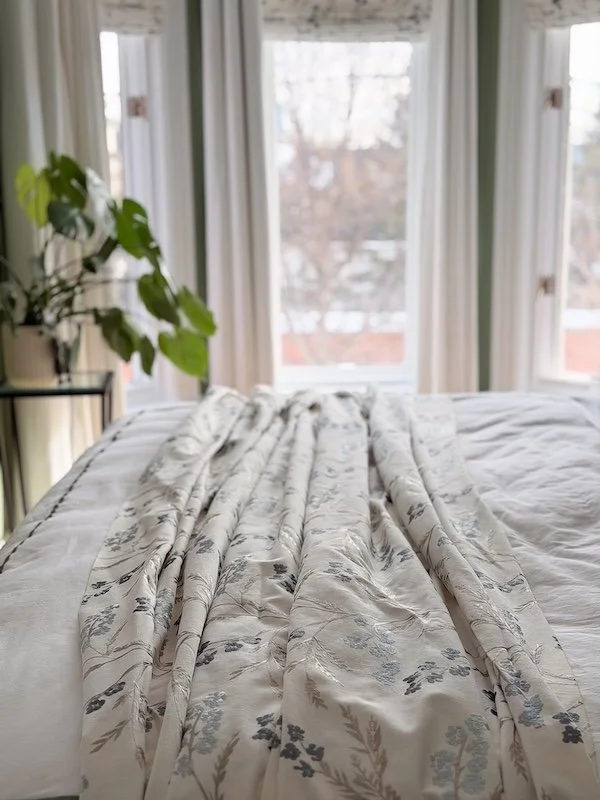
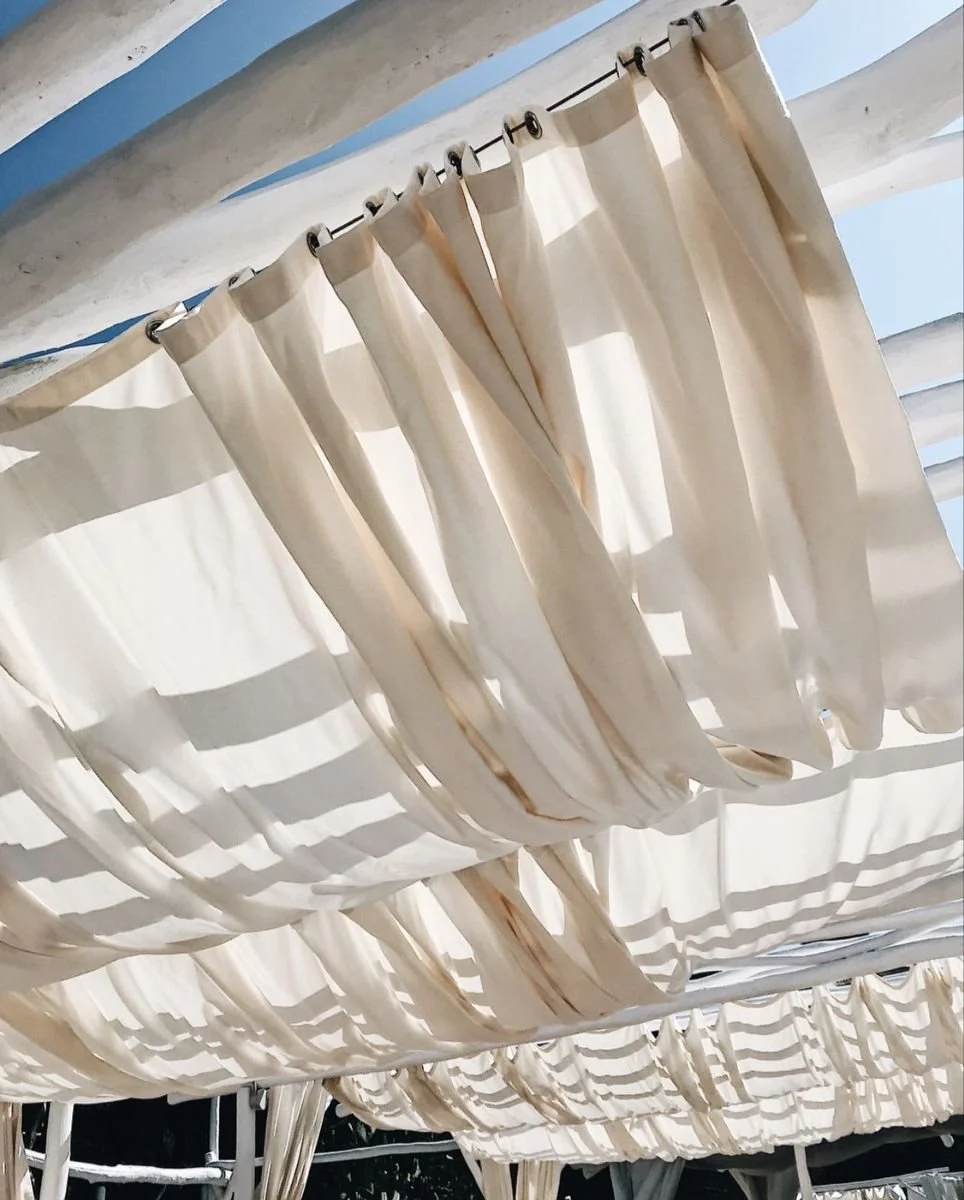
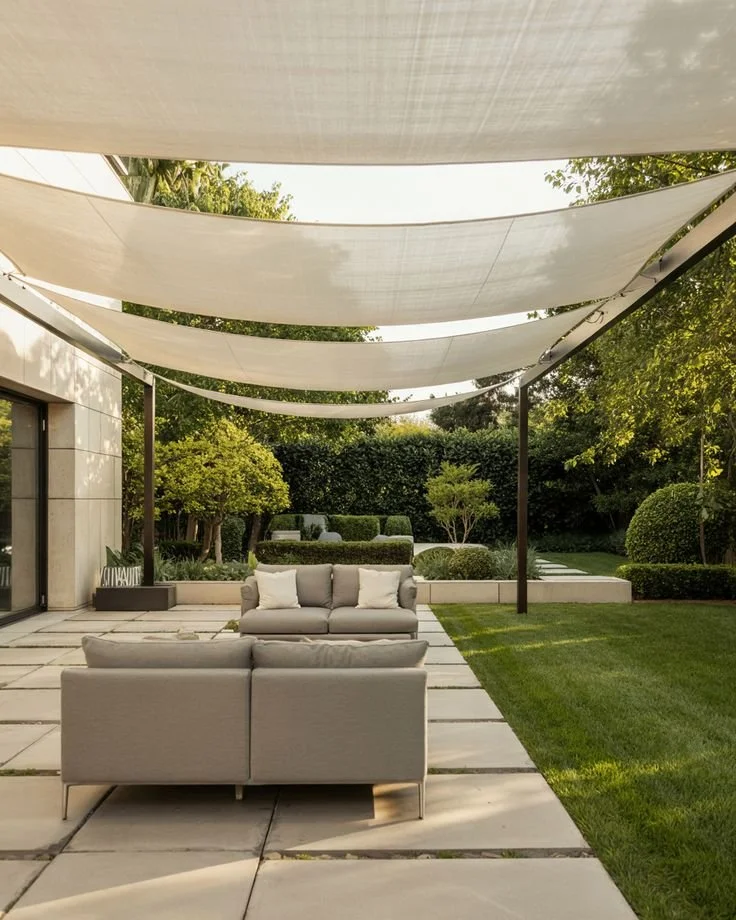
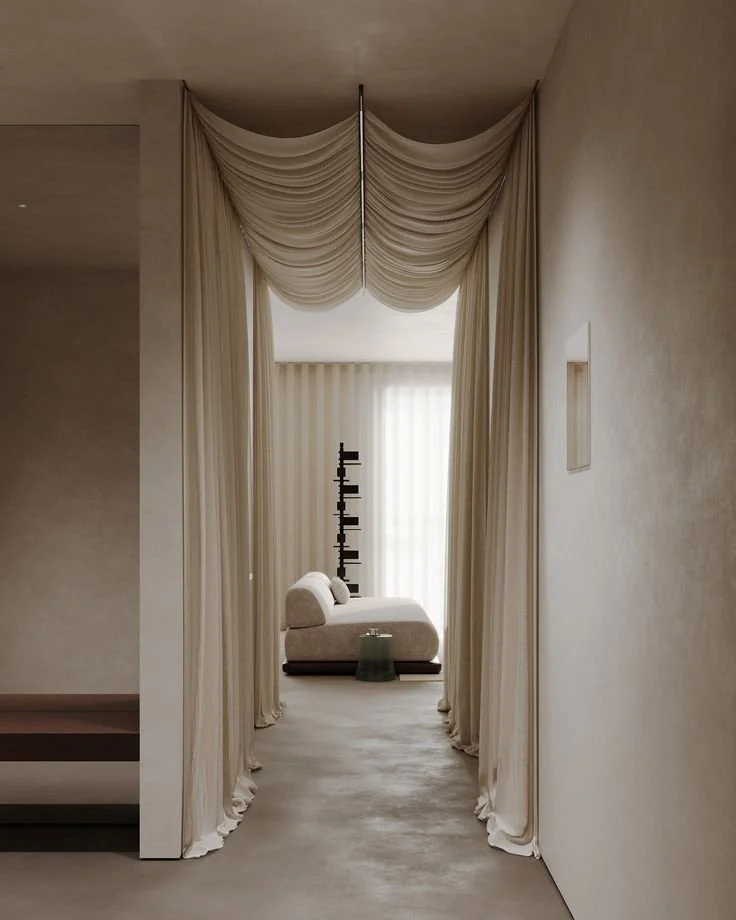
There is no denying the dramatic atmosphere a little drapery can add to any space. Trend setters and designers have been utilizing this technique to design atmosphere that envelope their guests for big events and parties. Now people want to bring those romantic vibe in their homes. From bed canopies to sun shades, dramatic drapery can be incorporated in many (and more practical) ways. I recently did a master bedroom refresh in which I layered embroidered Romans with floor to ceiling curtains to give my large bay window a cozy, elegant feeling. I also suspect I’ll be adding some sort of canopy to our upcoming backyard transformation. The possibilities for this trend are truly endless.

So there you have it! Ten 2026 interior design trends that are on the rise!

If you are curious to see how the rest of my home renovations turned out and what interior design trends I am incorporating into my Toronto Victorian home, you can subscribe to my Instagram and YouTube channel! If you think this list is missing any big 2026 design trends or you are obsessed with anything I shared above, feel free to let me know in the comments below!

Until next time,

- Soheila


PIN THIS POST

SOH AT HOME - EP 3 - REPLACING MY PAPASAN CHAIR CUSHION - EASY SEWING DIY

Papasan Chair Cushion DIY - Nursery Chair - Easy Sewing DIY - Tufted Cushion - Reading Chair

I wanted to reproduced the tufted seat cushion on this Papasan chair for my son’s nursery so he can cozy up and read with his stuffed animals

* Please Note - Some links in this blog post are affiliate links *

Easy Sewing DIY - Papasan Chair Cushion Replacement

I have been holding on to this Papasan chair and foot stool since the beginning of our home renovations. Originally given to me by a relative who was downsizing, I thought it would make for the most comfortable reading chair in Cyrus’s nursery once he started moving. I had this vision of him climbing into it with all his stuff animals, sitting in it all cozy, having the time of his life, ‘reading’ books. I knew it had potential to become a furniture piece he could grow with too so I held onto it for almost two years, moving it from one storage spot to another until all my renovations were done. With literally nowhere else to store it I decided it was time to use it as intended. Since the Papsan chair cushion and foot stool had been through an entire renovation, I really wanted to replace both cushions. I never wrapped it up in plastic or protective sheets so it had been exposed to quiet a lot of dust and for my own peace of mind, I thought it would be best (not to mention fun!) to DIY new tufted cushions. As someone who studied fashion design and worked for an upholsterer back in the day, I can confidently say this is great project for beginners and the principles you learn in the below video can be applied to an array DIY sewing projects.

Thankfully my girlfriend Amanda was open to sharing her atelier with me. She an amazing wedding dress designer that I became friends with during my days at Greta Constantine and it was so nice to catch up and spill some tea! It was also so nice to be back in front of a sewing machine. This project definitely brought a flood of memories from my fashion design days and a desire to try more creative sewing projects. It had been over three years since I had sewn anything and two since I got rid of my sewing studio, so it was a nice walk down memory lane.

easy sewing projects - tufted seat cushion - replacing chair cusion diy - papasan chair - comfortable reading chair cushion - before

The original Papasan chair and foot stool cushions I wanted to replace!

Since I had the original cushions all I had to do was deconstruct the old cushion, throwing away the stuffing and using the red fabric as a pattern. Since I did like the original tufted look, I made note of where they were in case I wanted to follow the exact same placement

Once I had completely deconstructed the pillow, I gave it a good ironing, flattening out the seams before pinning it onto two layers of fabric. For the fabric I am using a soft, almost fuzzy, khaki, polyester fabric with some weight and thickness to it.

With that all laid out nicely and the ‘pattern’/ Original cushion fabric pinned on top I could cut my pieces out.

From here, all I had left to do was sew! Remember, good sides should be together, sandwiched on the inside. As I neared the end, I made sure to leave a 10 inches opening so i could later add my stuffing.

Soh at home - episode 3 - easy sewing projects - tufted seat cusion - replacing chair cusion diy

I loved being back in front of a sewing machine!


FOLLOW ME ON INSTAGRAM @ISTHATSOH

After sewing comes tufting but before you do a tufting stitch you want to turned the sewn pieces right side out and give the seams an iron so it helps them sit flat. You wont be able to do this step later after you add a tufting stitch so its important you do it first.

Side bar- I actually stuffed the small foot stool cushion first before doing the tufting stitch but found it very difficult to do the tufting stitch, so later for the large seat cushion, I did all my tufting stitches first before stuffing which made things way easier and definitely the way to go

When it comes to stuffing, I used a hypoallergenic polyester pillow stuffing that I bought 35lbs of (way more than I needed for this project - may have only used half!) from a local supplier. I really wanted the cushion to be that perfect medium, not to soft and not to firm, so I made sure to move the polyester pillow stuffing into all areas, really stuffing it down to create the density I was after.

Once the pillow was completely stuffed and I had achieved my desired density, I could hand stitch the opening close before standing back to admire my work!


ENJOYING THIS CONTENT? CHECK OUT SOME OF MY OTHER EPISODES AND BLOG POSTS!


Update: Cyrus loves his new reading chair and my vision of him climbing into it with all his stuff animals is now a reality!

Alright friends, thank for joining me for another episode of Soh At Home! I hope you enjoyed this tufted cushion DIY and gave it a thumbs up. If you have any questions about replacing your Papasan Chair Cushion feel free to leave them in the comments below. I did start a new Instagram for my new Soh At Home series, so if you would like to show your support, feel free to give it a follow!

Until next time,

- Soheila


PIN THIS POST