SOH AT HOME - EP 5 - THE SECRET LINEN CLOSET - A HIDDEN DOOR & CUSTOM MIRROR DIY

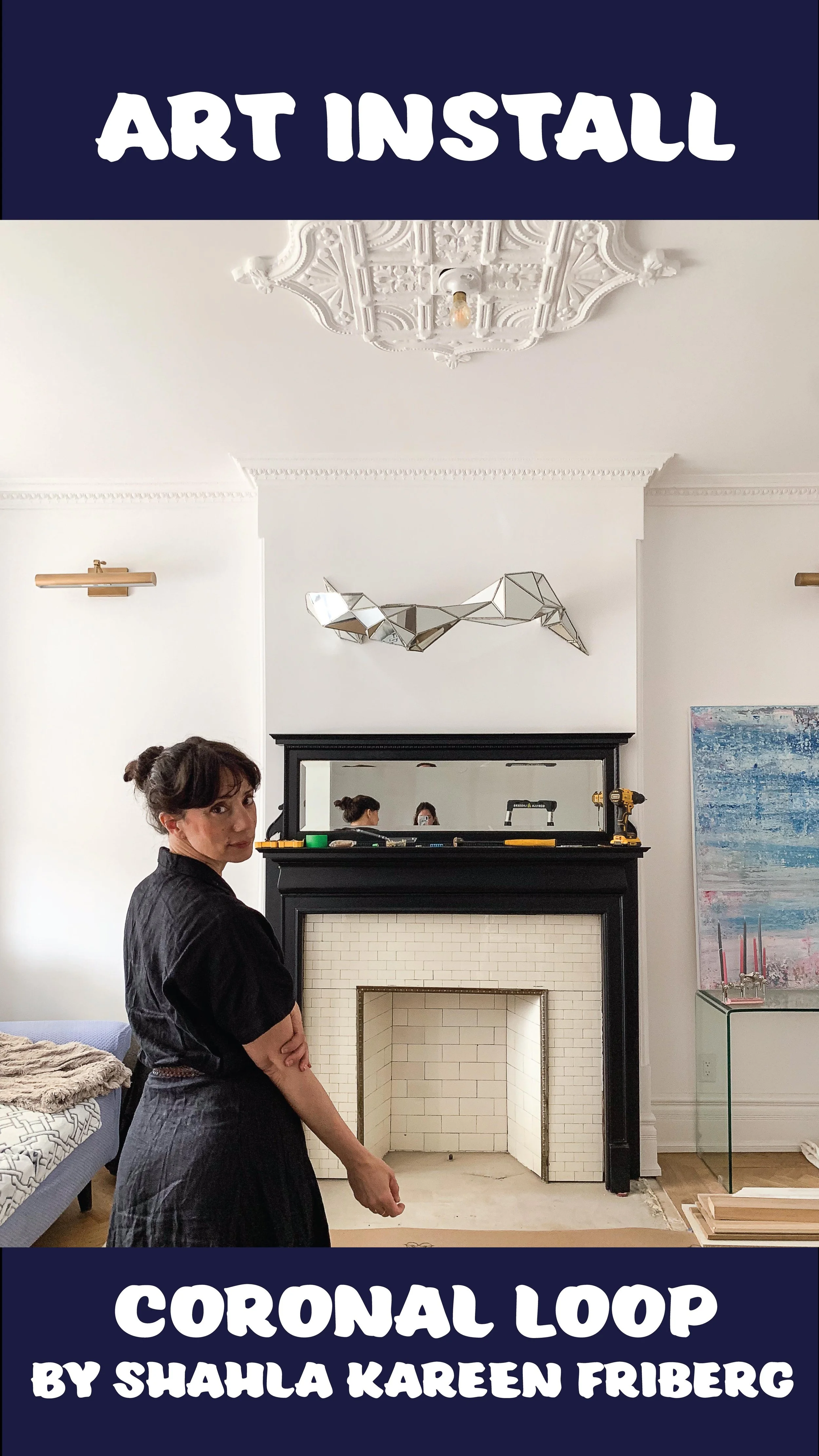
secret door - mirror with hidden door behind it to the linen closet

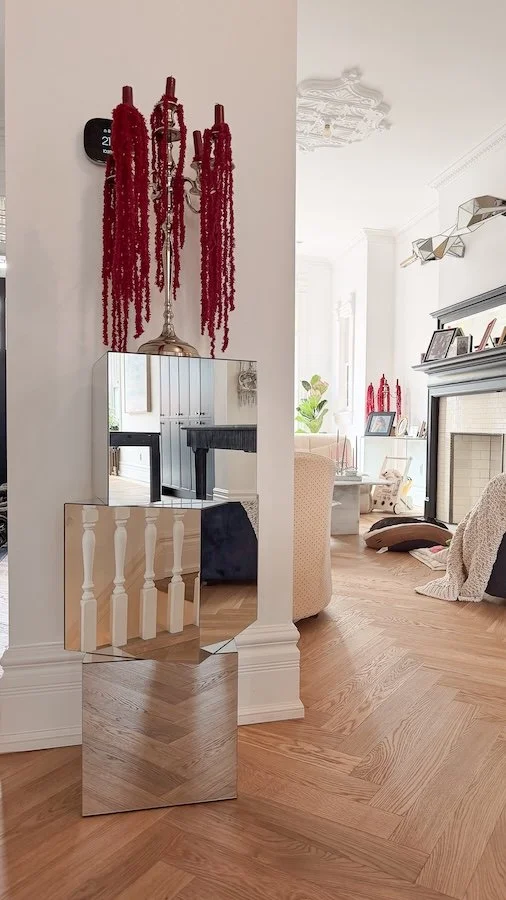
My secret linen closet is finally complete! I can’t believe how well this custom mirror hides the secret door!

* Please Note - Some links in this blog post are affiliate links *

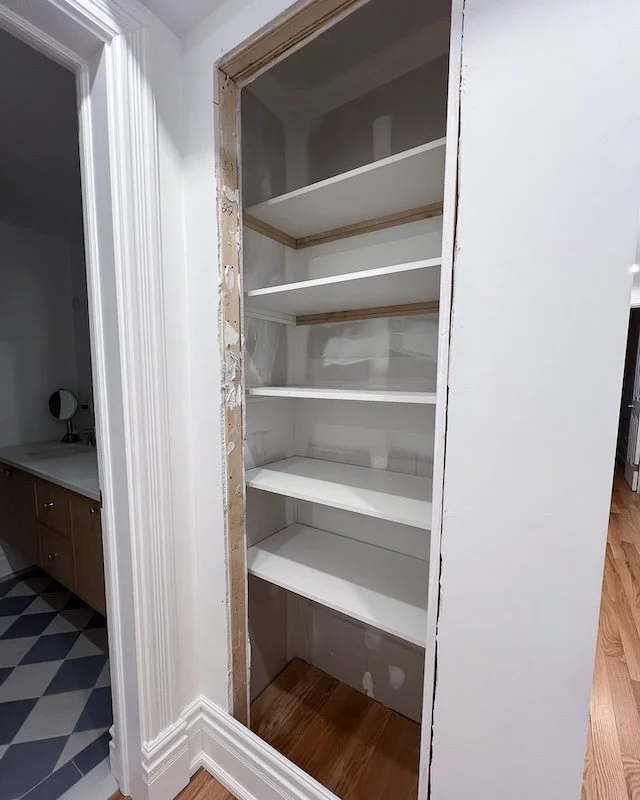
As with all best-laid plans, this project didn’t actually start as a secret linen closet — it was meant to be a laundry closet. It wasn’t until we began framing out the second floor during our home renovation that we realized the footprint required for laundry was quite a bit larger than expected. When it started to compromise the size and shape of the second bedroom, we knew we had to pivot. By scaling back to a storage closet (or linen closet), we suddenly had a smaller footprint but a much bigger opportunity—and that’s when my creative juices really started to flow.

Following the completion of our home renovation, the linen closet sat as an unfinished cavity for nearly a year. It wasn't until the final stages of my pregnancy that the "nesting" instinct finally took hold, driving me to transform that dead space into something functional. Using leftover shoe mould from the renovation as supports, I installed some basic white melamine shelves and gave it a quick paint job.

Soon after, life and a new baby took priority, and progress on this project once again came to a screeching halt. It wasn’t until almost a year later, when we started finishing the basement, that I felt the spark to pick up where I left off and finish the closet for good.

Hidden Door DIY

Since the doorway edges were still unfinished, my first task was installing J-bead to give the opening a clean, presentable look. To hang the door, we chose invisible hinges to ensure our new hollow-core slab door sat completely flush with the wall. These hinges are essential for a seamless 'hidden door' effect because they are mortised directly into the door jambs, disappearing entirely when closed. Unlike traditional hardware, these modern hinges feature a 3D adjustment system, which allows you to fine-tune the height, depth, and side-to-side clearance with a simple hex key. A total lifesaver for achieving those perfectly even gaps around the door edge and give you a true flush finish.

While my carpenter was hanging the door, he also installed a 'push-to-open' magnetic latch. This mechanism helped draw the door securely shut, ensuring the hidden door would function seamlessly once the DIY mirror was attached. To reveal the secret linen closet, all I had to do was give the mirror a gentle push, and open it would pop.

With the door now installed, I primed and painted everything before shifting my focus to the DIY mirror.

DIY Mirror for Secret Door

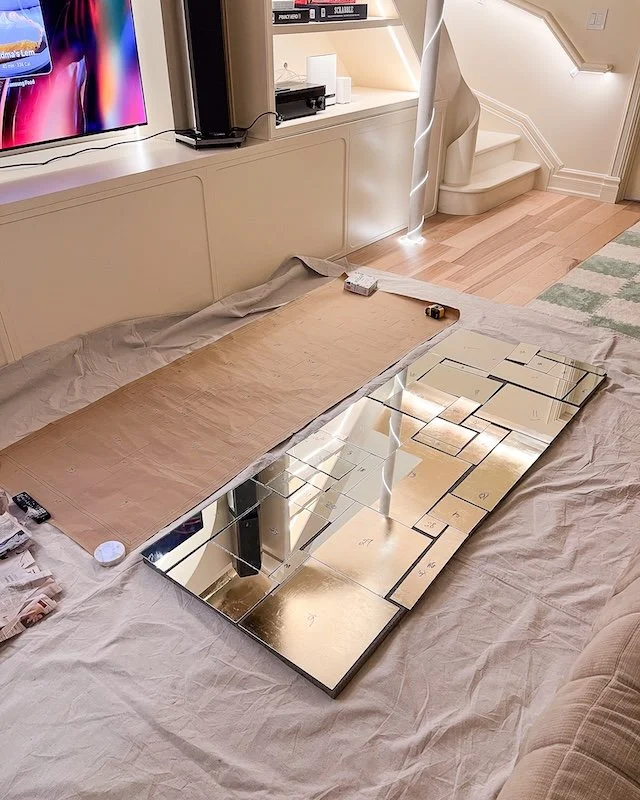
With mirror measurement in hand I grabbed a roll of gridded craft paper to map out a full scale template. Since the closet door was actually off center, I designed the mirror to be slightly wider to trick the eye and balance the proportions of the wall. With all my pieces mapped out, I hung my design on the door and started to get excited!

Over the next week I managed to thrift a bunch of cheap mirror before heading to Louis’ studio to share my design and ideas with her.


FOLLOW ME ON INSTAGRAM @ISTHATSOH

DIY Mirror - custom mirror

Louis cut, polished and laid out all my pieces for my approval. I love the distressed edges of each piece!

You may remember my friend Louis from my home renovation series; she’s the incredibly talented stained glass artist who created the custom piece for my powder room. She recently moved into a beautiful new studio, and it was such a treat to step back into her creative world. We spent time going over every detail, specifically discussing how I wanted the edges of each glass piece to look. A week later, she gave me the call I was waiting for — everything was cut, polished, and ready for pickup. With the pieces in hand, it was finally time to move on to assembly.

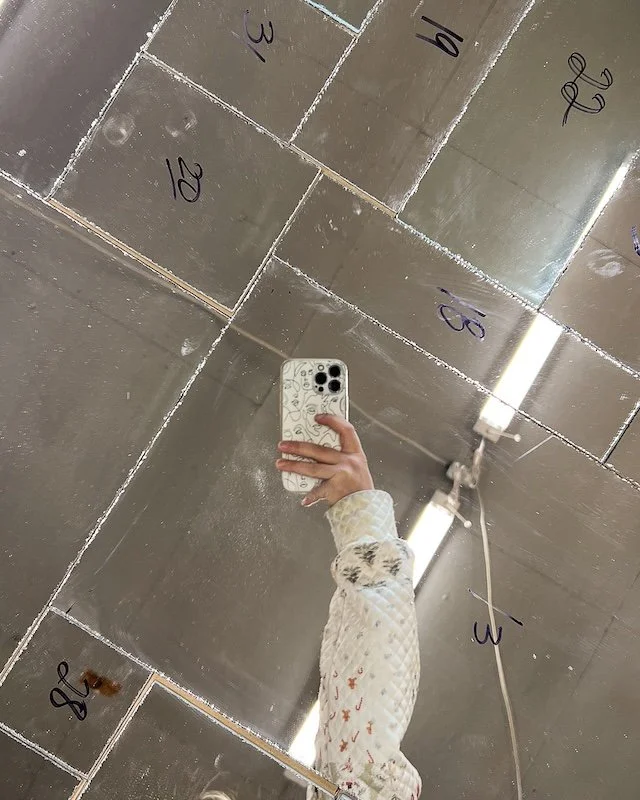
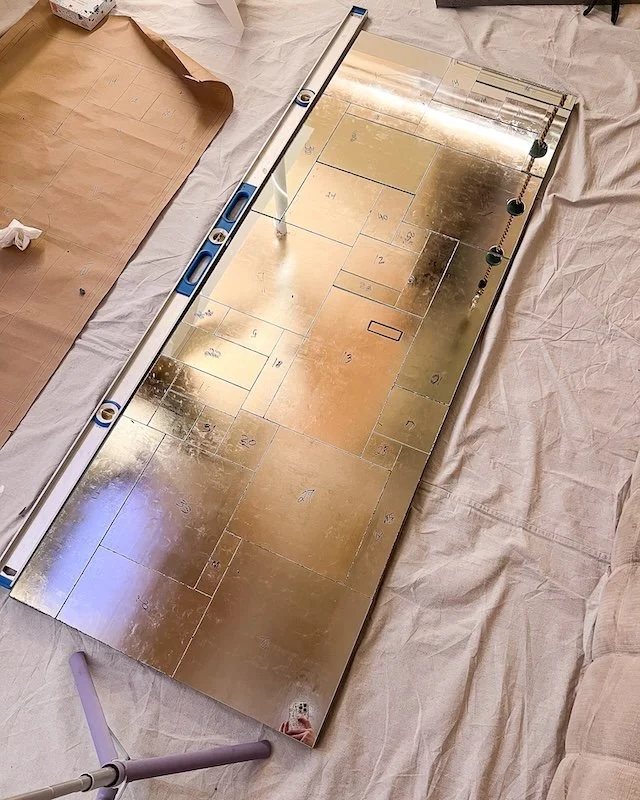
While waiting for Louis, I headed to the hardware store for a sheet of DuroSpan. I needed a base for the mirror that was lightweight yet sturdy enough to hold the design without weighing down the door. After cutting the insulation board to size, I peeled back the silver film to expose the foam and began arranging the mirror pieces according to my template. There was something so satisfying about finally seeing the vision come to life as I glued each piece into place with construction adhesive.

Feeling proud of my progress, I left the mirror out to show the boys when they got home. In hindsight, I should have anticipated that my toddler would find a large, shiny object on the floor irresistible — which is exactly how he ended up stepping right on it. Thankfully, I was able to carefully remove the broken section with an X-Acto knife. Once Louis cut me a replacement, it tucked perfectly into place, and you’d never even know there was a mishap!


ENJOYING THIS CONTENT? CHECK OUT SOME OF MY OTHER EPISODES AND BLOG POSTS!


Secret Linen Closet with Custom Mirror DIY - Staining the frame

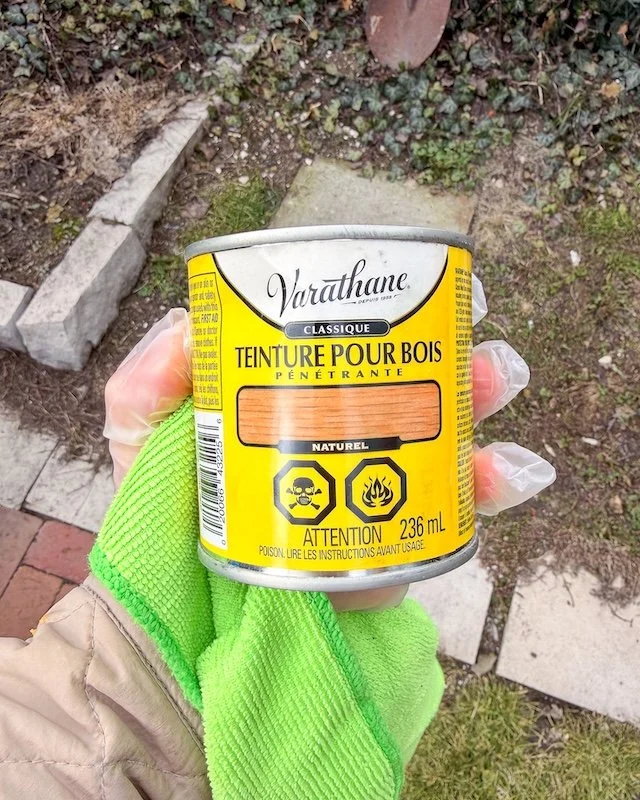
One piece done. One more to go. My first time staining anything!.

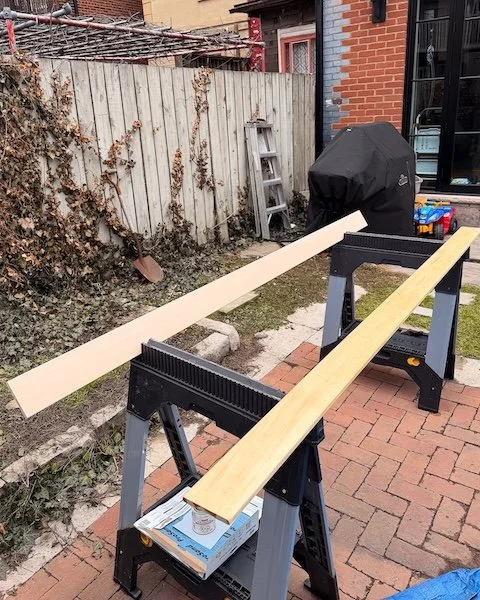
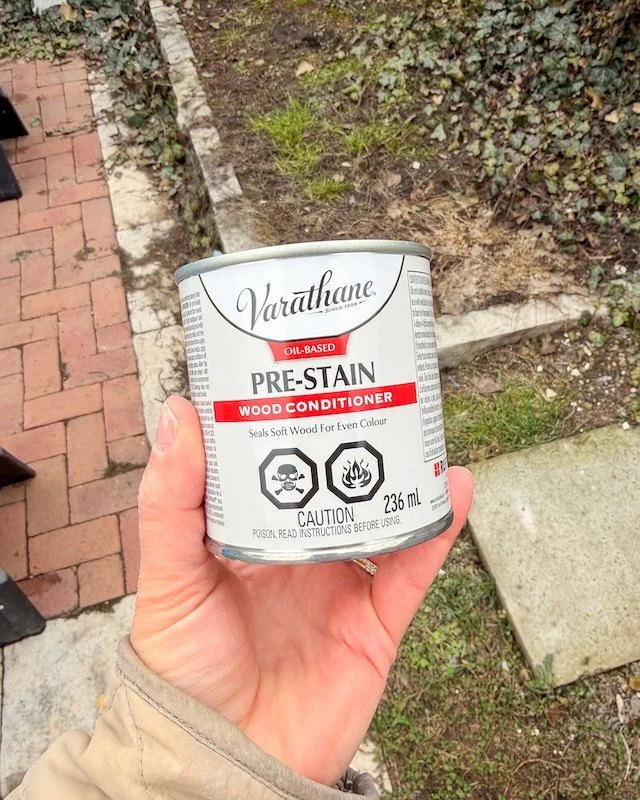
While the glue cured on the mirror, I shifted my focus to the frame. I couldn't find the exact moulding I had in mind, so I improvised by staining larger stock pieces and having my carpenter rip them down to the perfect dimensions. This was actually my first time ever staining wood, and looking back, I’m not sure why I was so intimidated! The process was surprisingly straightforward, and the finish turned out exactly how I’d hoped.

Once dry my fine carpenter ripped those pieces down for me and mitered the edges so we could glue and staple them together and into place.

The next week after everything had dried we were ready for install! We added a cleat to the bottom of the door for support and used three different glues to bond the mirror to the door! That sucker is going nowhere! Once the mirror was in position we clamped the mirror to the door to help hold it in place while the glue firmed up.

24 hours later, the clamps could came off and my hidden linen closet would finally be complete!!

My secret linen closet is complete.

Although it took me a long time, I really love how this project turned out. The mirror is so gorgeous and I love how you can see the raw edges of each piece. The mirror’s I had thrifted were all different thicknesses and you can see the depth that gives the mirror when they are scattered throughout. The different green glass hues add further interest and the push-open mechanism worked out perfectly. We did tune up the hidden door hinges after the mirror was attached (told you those 3D adjustment were handy) but I could not be happier or prouder of this DIY!

Thank you so much for joining me today and for checking out my new YouTube series Soh At Home! If you have any questions or comments about this hidden door and custom mirror DIY, please feel free to leave them below.

Until next time,

- Soheila


PIN THIS POST

SOH AT HOME - EP 4 - BOLSTER PILLOW DIY

Bolster Pillow DIY - Easy Sewing Projects - DIY Upholstery projects - green master bedroom with stained glass bay window - Victorian home

My king size bed feels even more elevated now thanks to my new bolster pillow!

* Please Note - Some links in this blog post are affiliate links *

Let’s make a custom bolster pillow!

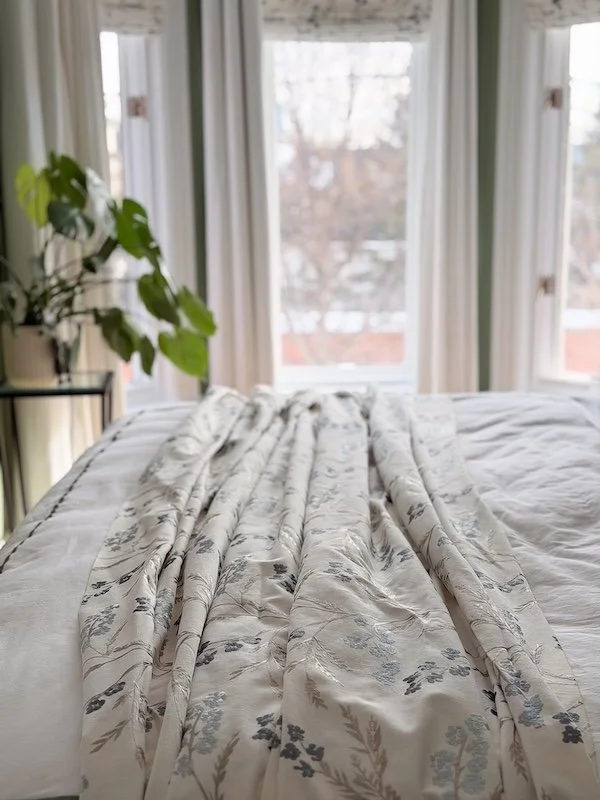
I wish I could take credit for this DIY but I would be lying. The idea of making a custom bolster pillow came to me during a call with my designer at Blinds To Go. I told her in passing that I could sew and she suggested I try and add a bit of the embroidery fabric in my roman shades, across the bed. Such a brilliant idea! I couldn’t resist! Following my master bedroom refresh, I received a package from them with a little extra fabric for my bolster pillow! Wow! Thank you!

Before starting this project I first needed to decide on what size of bolster pillow I wanted. I took the fabric up to my room, laid it out and tried to envision it. I tested various sizes with my measuring tape and ended up landing on 40 inches. It felt like a good size for a bolster pillow given the other two layers of pillows already going on and felt well proportioned when matched with a 7 inch diameter.

Materials & Tools I used to complete this project:

Paper
Ruler
Pencil
Paper Scissors
Fabric Scissors
Non Woven Fabric - For Insert
Poly Fill - For Insert
White Thread
Sewing Machine
Sewing Needle
Fabric from Blinds To GO - for cover
Invisible Zipper - for cover
Cord Piping - an extra detail you can skip
Fabric Cover Button Kit - an extra detail you can skip

Bolster Pillow Insert Finished Dimensions: 42 inch long with 7 inch diameter - must be 2 inches wider to ensure the bolster pillow fills out nicely

Bolster Pillow Cover Finished Dimensions: 40 inch long with 7 inch diameter

Step 1: Bolster Pillow Insert

To calculate the pattern size for the insert you first need to start with the two end pieces. Simple add 1 inch to the finished diameter for seam allowance - so 7 becomes 8

Next, for the body you want to add 2 inch to the width - 40 becomes 42
and the length is calculated by multiplying the finished diameter by pie - 7 x 3.14 = 22 add 1 inch for seam allowance = 23
So 42 x 23 was the size of my body pattern!

With all my insert pillow pieces cut out, I could begin to sew them together making sure to leave a small hole in the body so I could get that stuffing in later. Once stuffed I could then just hand stitch the hole closed.


FOLLOW ME ON INSTAGRAM @ISTHATSOH

Bolster Pillows - Easy Sewing Projects - steps to make a bolster pillow cover with cording detail

All the pieces for my bolster pillow cover are cut out and I am now ready to start sewing!

Step 2: Bolster Pillow Cover

With the insert done I could move onto my cover. Since this fabric has a pattern repeating on it I wanted to centre that fabric properly. To do so I folded it over and pinned it in place before measuring 20.5 inches from that fold. This would again give me enough fabric to achieve the finished 40 inch width I was after with seam allowance. For the length I used that same 23 inch measurement as before.

For the two end pieces, since I wanted a pleated look, instead of using the same circular pattern I used for the insert I instead cut two 6 inch strips the same length as the body (23 inches) to close the ends. If you don’t want to do the tuck or gather detail feel free to use the same pattern as before and cut out two flat end pieces.

With those three pieces cut out I could then begin to sew, starting with the invisible zipper. To ensure things line up you can pin the zipper into position as a guide like I did before sewing. With the invisible zipper in place you can close up the rest of the seam before pressing the seam allowance open and adding your cording detail. Feel free to skip this part if you don’t want this extra detail. I sandwiched the flange on my cord in-between my bolster body and end pieces and sewed it into the seam allowance. Once it’s all right side out this is what it should look like.

Bolster Pillows - Easy Sewing Projects - steps to make a bolster pillow cover with cord trim detail

I tried to create even pleats before sewing everything together and into place.

Flipping It back inside out again you can begin placing your pleats as you like, pinning them into place. Alternatively, you can do a gathering stitch and gather the area evenly if you don’t want defined pleats. To help bring it all together, use an elastic band to tie all remaining fabric, making sure things are centred before stitching all layers together. You ideally need to close the hole. It should be so well tied off you should later be able to take that elastic off and it will stay.


ENJOYING THIS CONTENT? CHECK OUT SOME OF MY OTHER EPISODES AND BLOG POSTS!


Fabric Covered Buttons

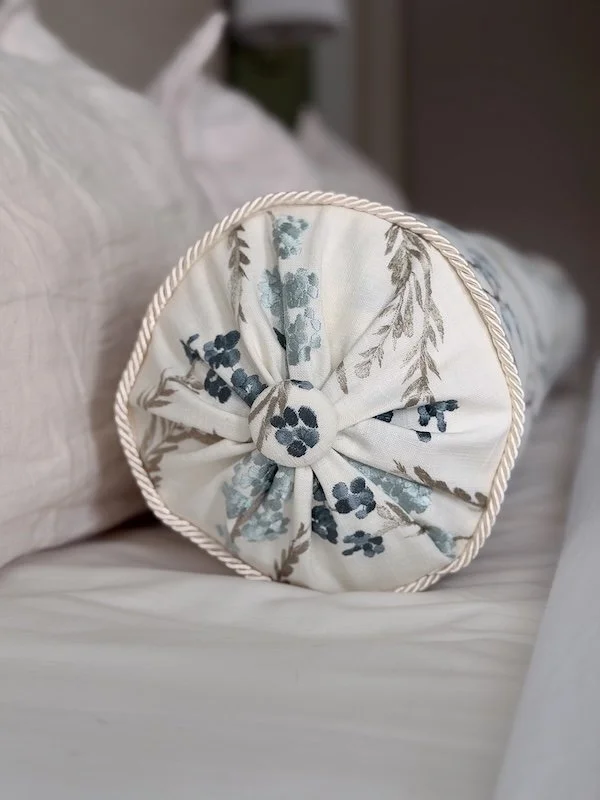
Bolster Pillows - DIY Bolster Pillow Cover and Insert - Bolster Pillow with Fabric Covered Buttons - master bedroom bedding and pillows - white linen with emoroidery detail

A close up of my new bolster pillow with cord trim and matching fabric covered buttons!

Once those holes were closed I used the fabric button kits I bought earlier, to make some quick fabric covered buttons. This was my first time making fabric buttons and I found it surprisingly easy thanks to the kit. The hardest part is deciding what section of the fabric you want to put on your button.

I attached my two fabric buttons to each end to my bolster pillow and wow! They finished everything off so nicely and made it feel super bespoke.

Thank you so much for joining me today and for checking out my new YouTube series Soh At.Home! If you have any questions or comments about this bolster pillow DIY and want to share your experience, please feel free to leave them below.

Before I sign off, I’d also like to say a big thank you again to Blinds To Go for sending me extra fabric but want to reiterate that, like always, all opinions remain my own.

Until next time,

- Soheila


PIN THIS POST

2026 INTERIOR DESIGN TRENDS

2026 Interior Design Trends - Lived In Spaces - Dining room with textile art tapastry

Source: Anthropology

* Please Note - Some links in this blog post are affiliate links *

2026 Design Trends

In a world where our news feeds are filled with turmoil happening around the world and we are constantly questioning what is real and what is fake, people are craving comfort, familiarity, and security now more than ever. Spaces that calms your nervous system and help you recharge after a long day of staying hyper vigilant are on the rise and 2026 interior design trends echo these sentiment with the use of grounding materials, nostalgic treasures and playful details.

Less AI, More ‘Lived-In’ Spaces

Yes, lived in! Places that feel too staged and unrealistic do nothing to help us let our guard down. Places with soul and personality do. How do we achieve this? With natural materials, meaningful objects that come with stories, and ‘intentional without being manicured’ living spaces. Take a load off, put your feet up and stress less because the the allure of ‘Pinterest perfect’ and heavily curated rooms has worn off.

2026 interior design trends - Lived in spaces - livingroom with credit ellerslie interiors

Credit Ellerslie Interiors


FOLLOW ME ON INSTAGRAM @ISTHATSOH

Saturated Blue

Said to represent clarity, peace, and stability, deep saturated blues have been gaining popularity when it comes to 2026 color trends with Deluxe naming an entire family of blues as their ‘2026 Colours of the Year’. Three great techniques designers use to incorporate trending colours into a home include colour drenching or double drenching, tonal layering (using a different shade on walls, ceiling and trim) and adding blue accent pops via decor, window treatments and furniture!

Solid Area Rugs

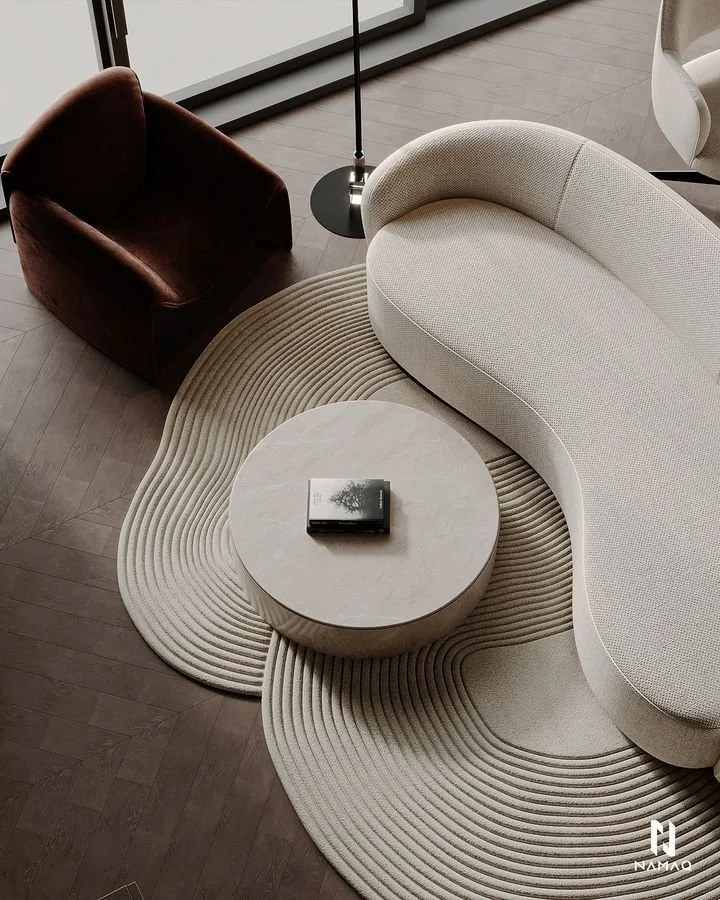
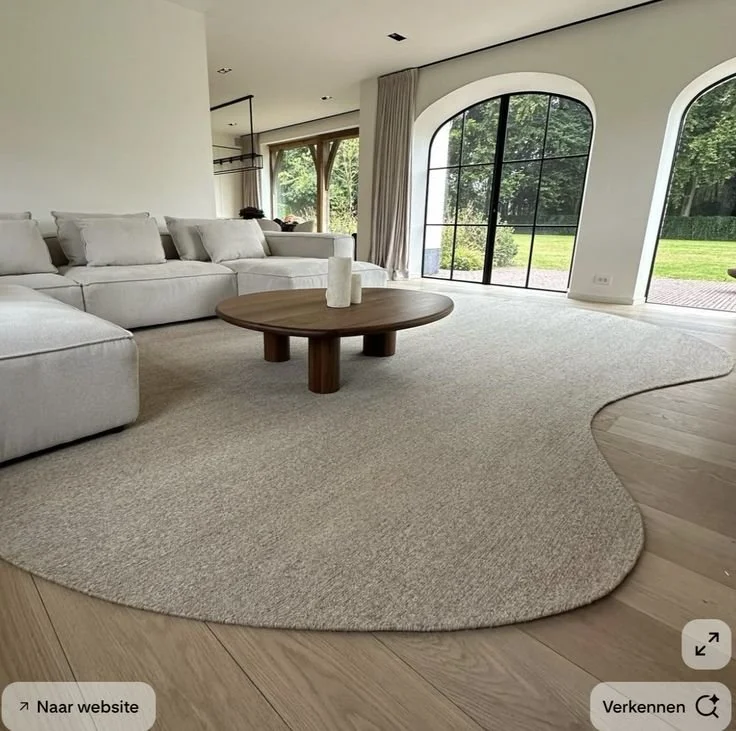
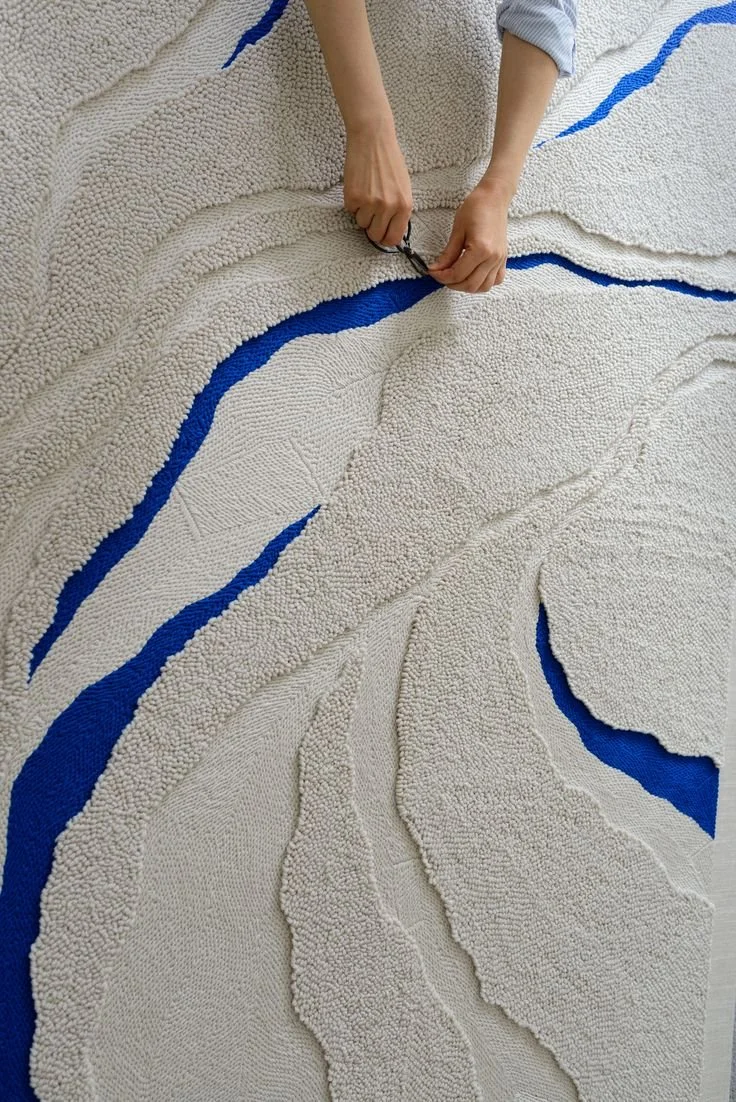
Where patterns and motifs used to dominate, solid area rugs are now gaining momentum but with a luxury upgrade that focuses on tactility. The use of ‘high-and-low’ pile profiles are a great example of this as they give solid area rugs ‘pattern’ or ‘movement’ by providing subtle ‘light-play’. A chunky weave can also do the trick by feeling rich and grounding while ‘biomorphic’ or irregular shaped solid area rugs (my favourite) can be eye catching - like a sculpture for the floor - and soften sharper furniture lines.

Interior Design Trends 2026 - burl wood furniture - dark wood sideboard - mid century design - credit arhaus

‘Burl Furniture’ is currently on the rise in Google search! Credit Arhaus

Warm Dark Woods in Furniture

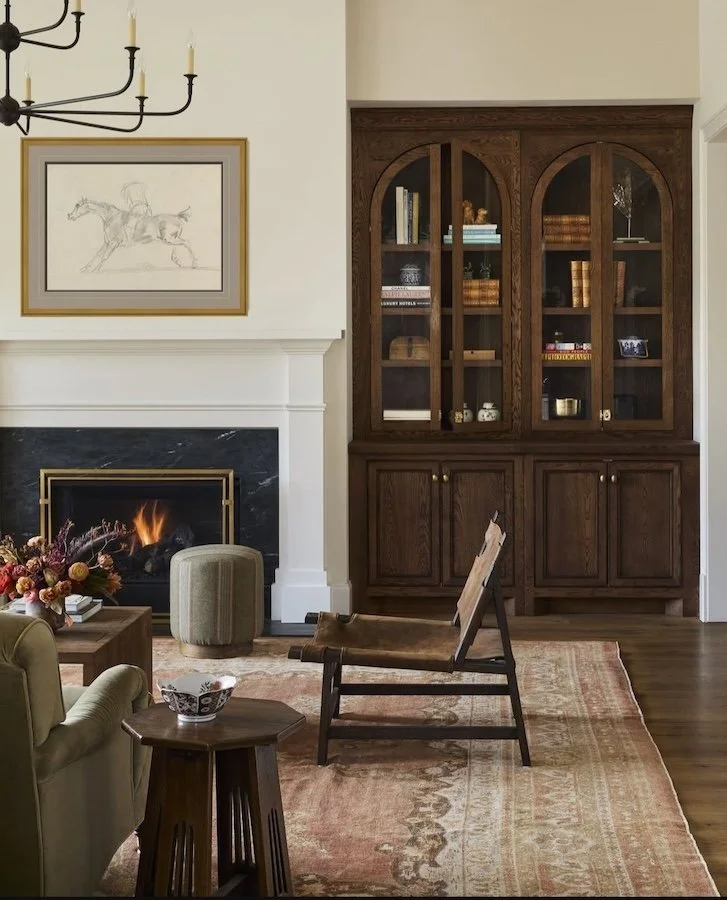
While last year cabinetry and millwork were popular places for designers to incorporate dark stains, this year dark furniture pieces will add to the momentum. A dark stained English oak sideboard can feel inherited even if they are brand new and give a room more warmth and character while also being grounded and cozy. It’s also a great way to take advantage of this growing wood trend without committing to an expensive remodel.

Tiles As The Main Character

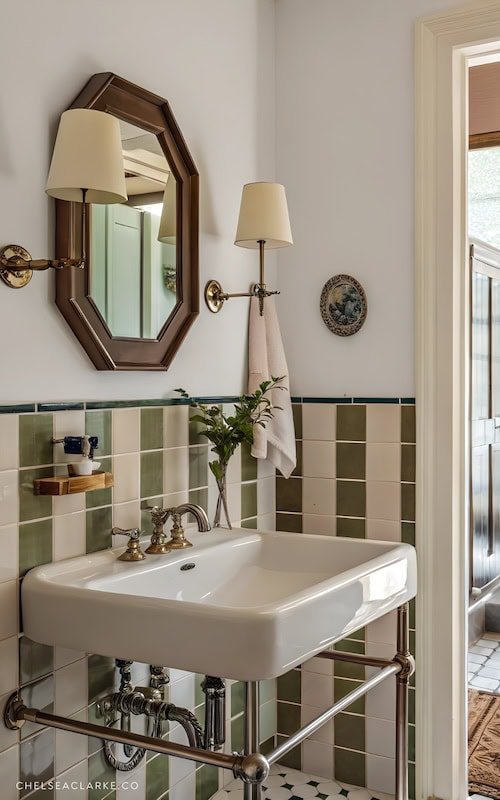
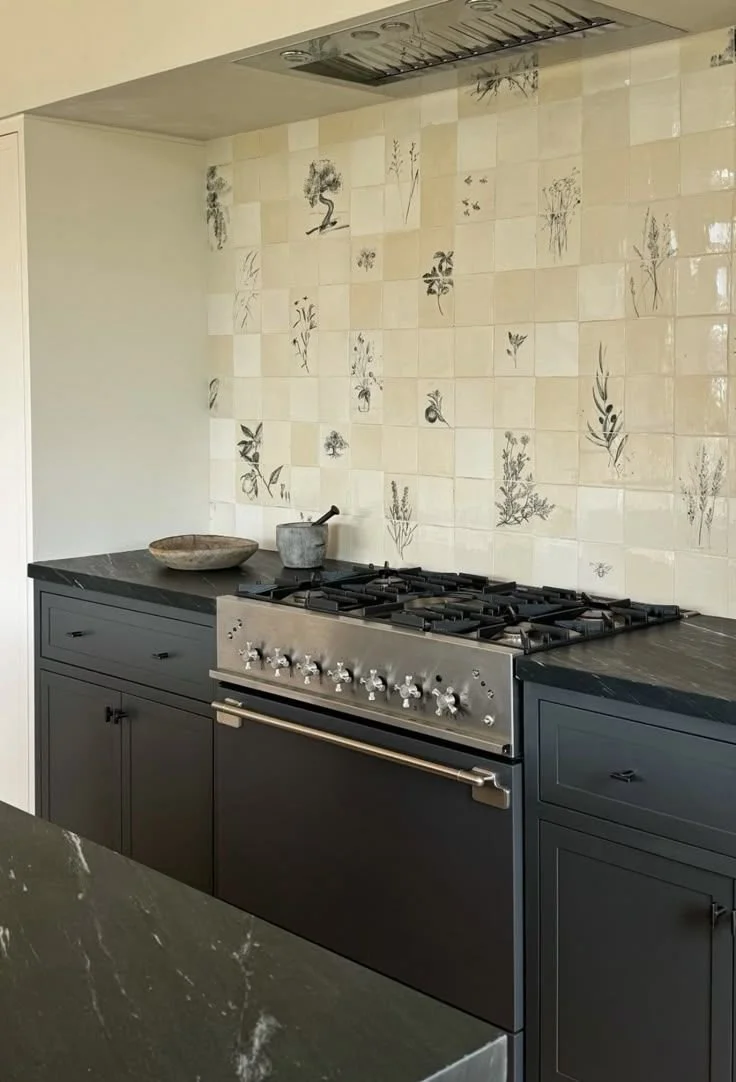
A great way to add visual movement or a backdrop to your space, tiles are another great way to give rooms and furniture pieces character and personality. Moroccan-style ‘Zellige’ tiles with irregular edges and tonal variations have been popular for the last few years. Now in 2026, you’ll see them being paired with tiles with decorative motifs in a technique called ‘pattern splicing’. To make this trend work, composition is key! First pick your pattern tile and then find something within the same tonal range for your ‘solid’. This is a great technique if you want to bring attention to a specific area of a room like a kitchen range or inclosed shower as it adds an unexpected pop of character without being to overwhelming.


ENJOYING THIS CONTENT? CHECK OUT SOME OF MY OTHER EPISODES AND BLOG POSTS!


2026 Interior Design Trends - Textile Art - Textile Wall Art - Tapestry - credit fern living

Credit: Fen Living

Hanging Textile Art & Tapestries

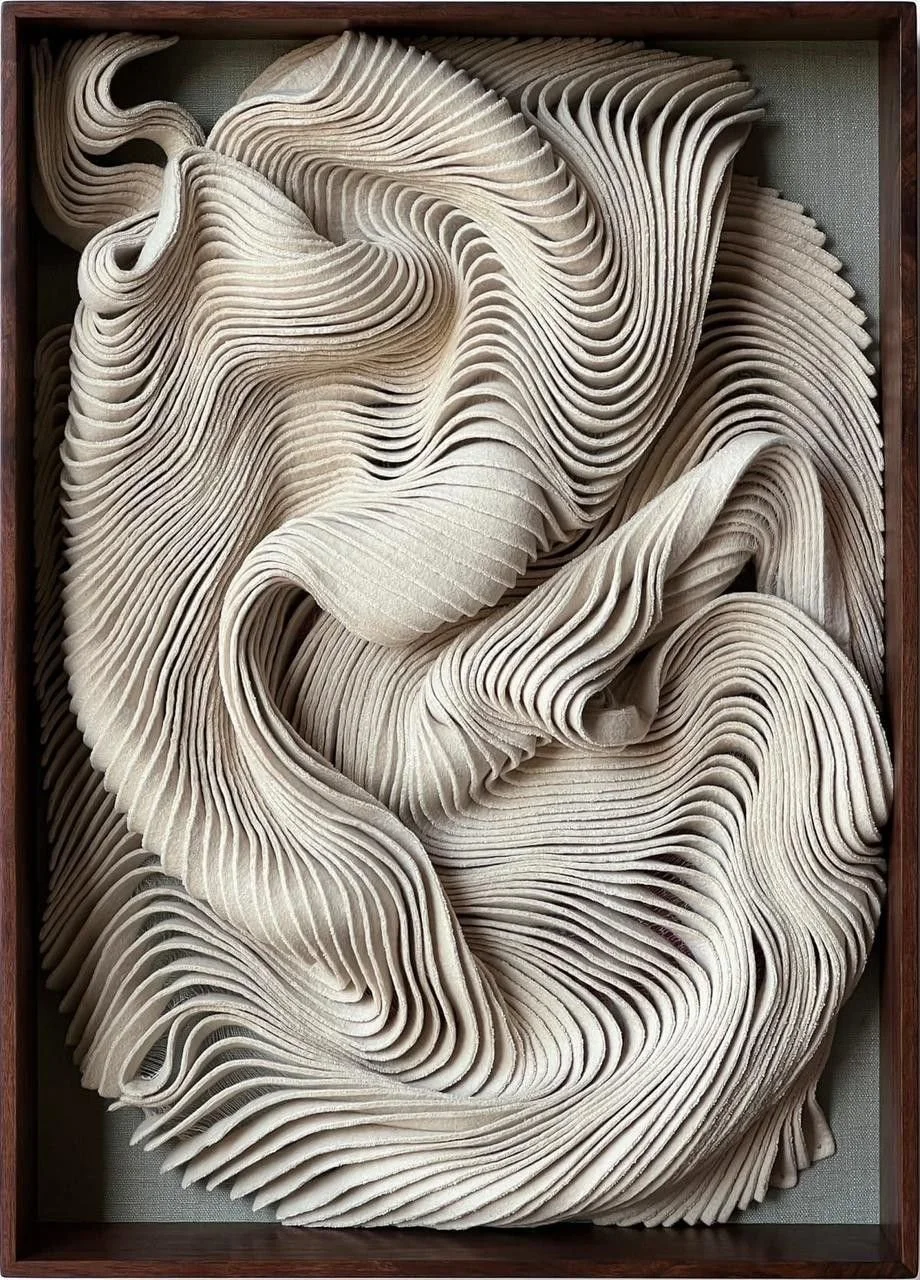
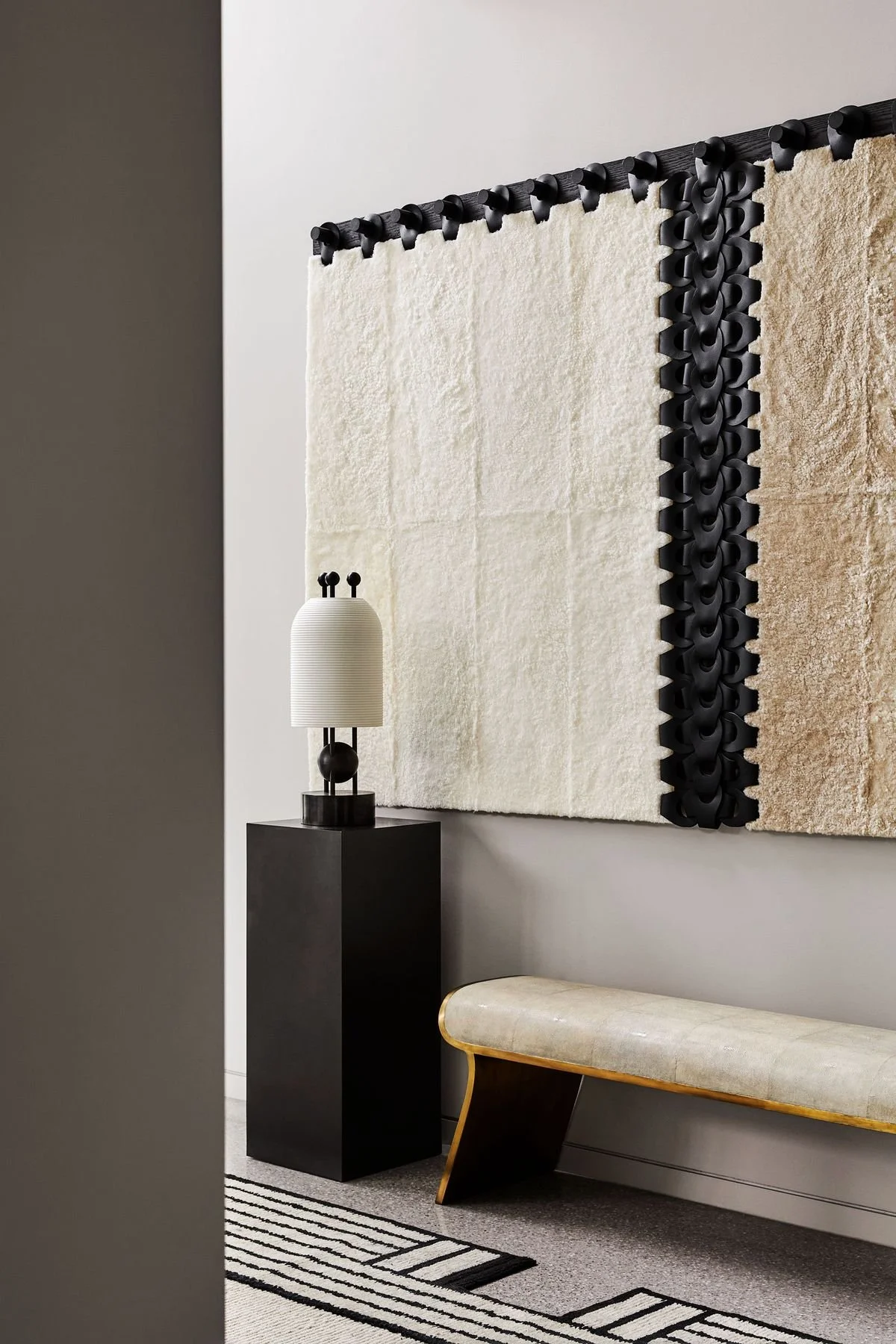
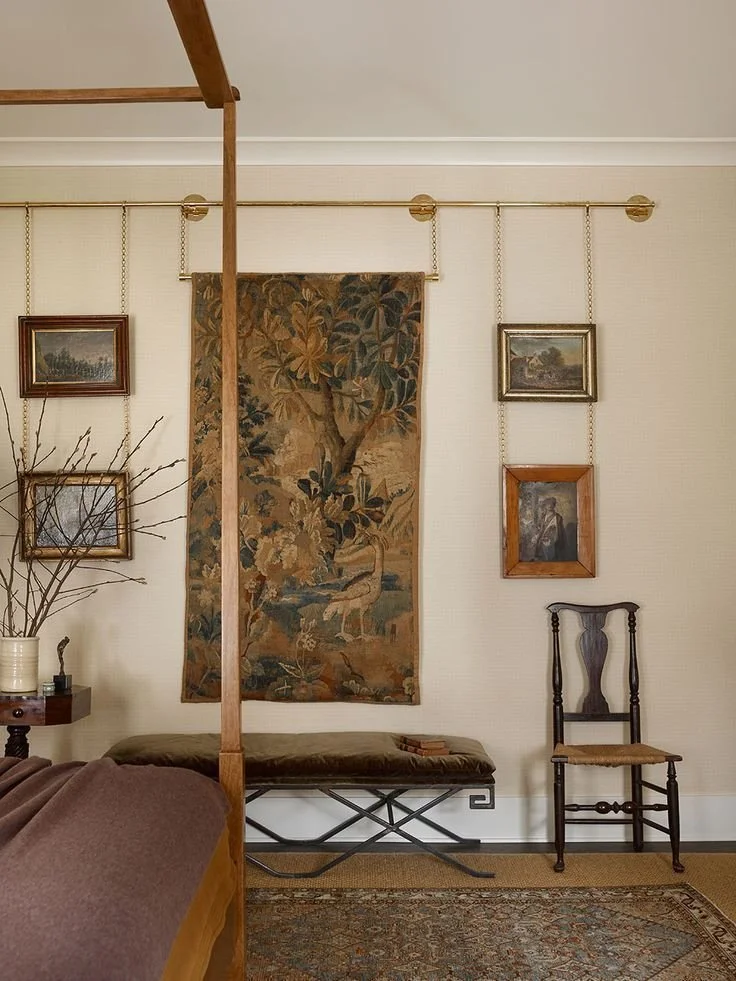
Just to be clear, I am not talking about bohemian macrame from a few years ago, I am talking about the use of vintage tapestries depicting landscapes and scenes, and artwork that incorporate textile materials. I have seen both designers and DIY YouTubers use hanging textile art and tapestries (many sourced second hand) in projects and their homes as a way to add warmth and character. A budget friendly way to incorporate this trend into your home is by stretching a vintage scarf or beautiful fabric over a frame.

Curved Ironwork

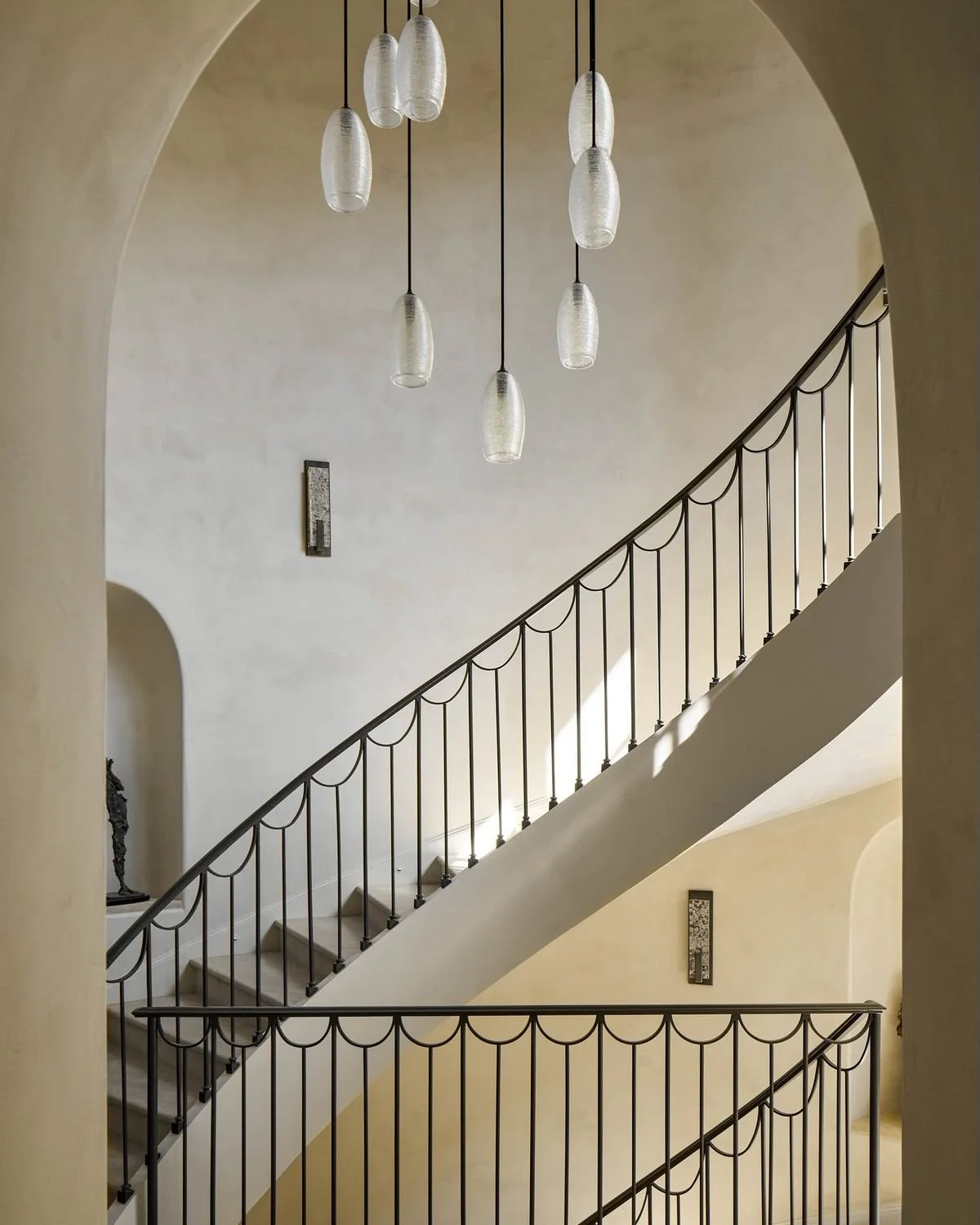
In 2026 you can expect to see more ironwork coming into play in lamp stands, balusters on a staircase, and in furniture as designers return to using classic materials with longevity over the ‘matte black finishes’ that have dominated in recent years. These ‘living finishes’ age over time but unlike the old, heavy ornate scrolls of the early 2000’s you can expect slimmer profiles, and more simpler, curved profiles.

2026 Interior Design Trends - accent chair with piping - source Pinterest

Source: Pinterest

Fringe, Piping, Embroidery, Oh My!

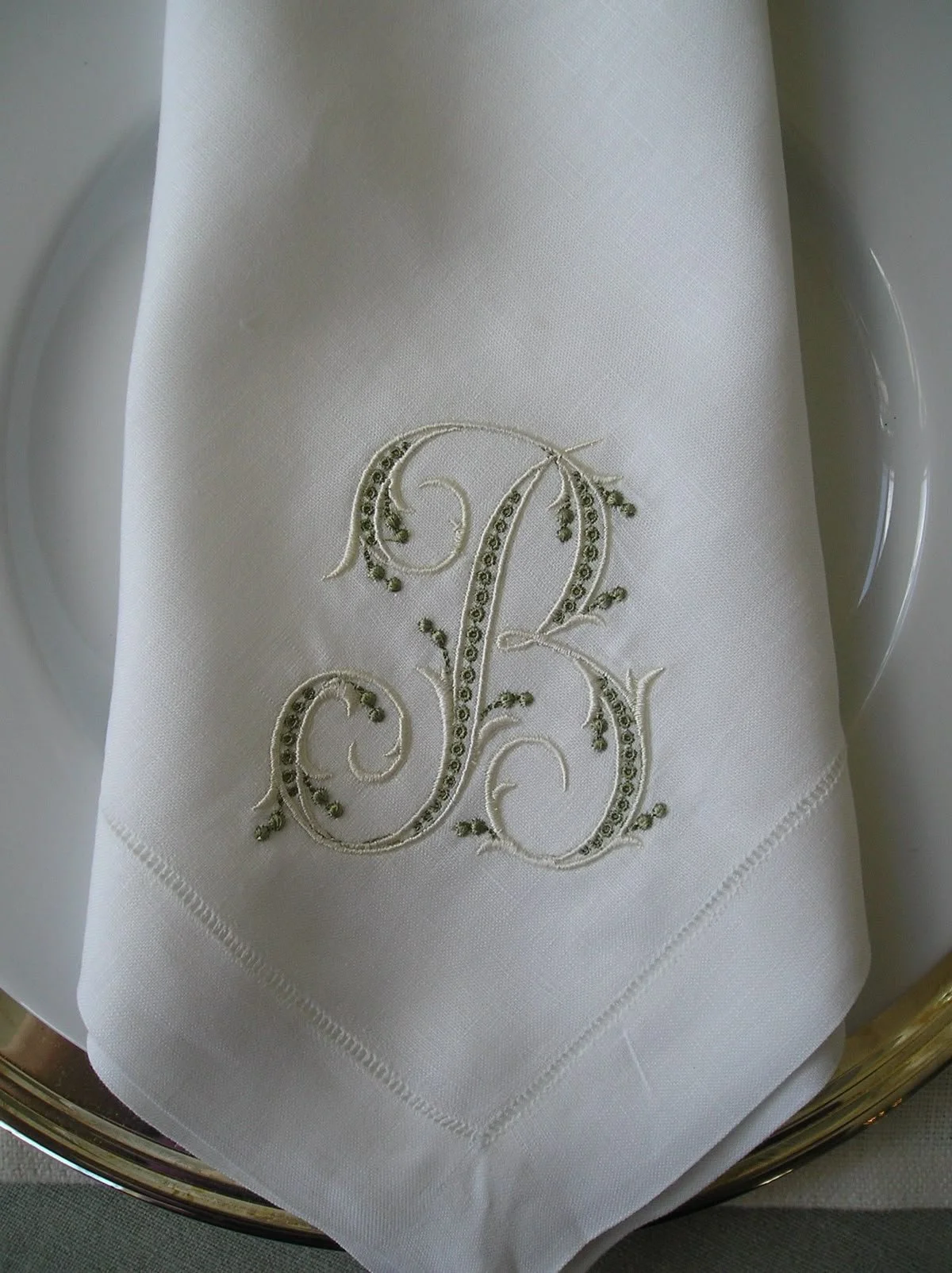
One of my favourite trends of 2026 is the use of fringe, piping, trim, and embroidery to add a touch of luxury and point of interest to a piece of furniture, decor or even window treatments. A plain white napkin can be easily elevated with a monogram addition. A accent chair can really pop with contrast piping. Drapes with fringe detail can take them from ready-made to feeling custom-made! It’s playful, it’s tactile and it’s a great way to make your home feel bespoke.

Animal Accents

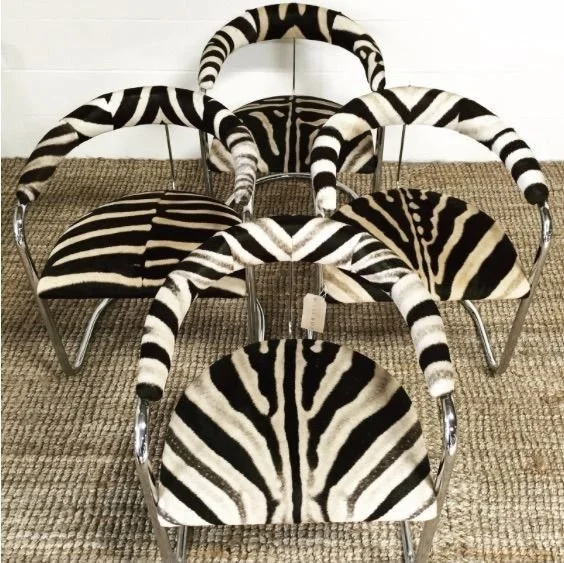
The use of animal prints have been popular in fashion over the past few years (especially with last year’s ‘cowboy’ trend) so there should be no surprise that it has now trickled down to interiors, but let this be a warning to use it sparingly. Although seen as an easy way to add personality to a room, it can be overpowering if not executed well. Slow and steady is the way to go as this trend (in my opinion) won’t have longevity. I would stick to pillows and smaller pieces as a way to incorporate it into a space without breaking the bank. That way if you get sick of it a year from now, you won’t cry about it.

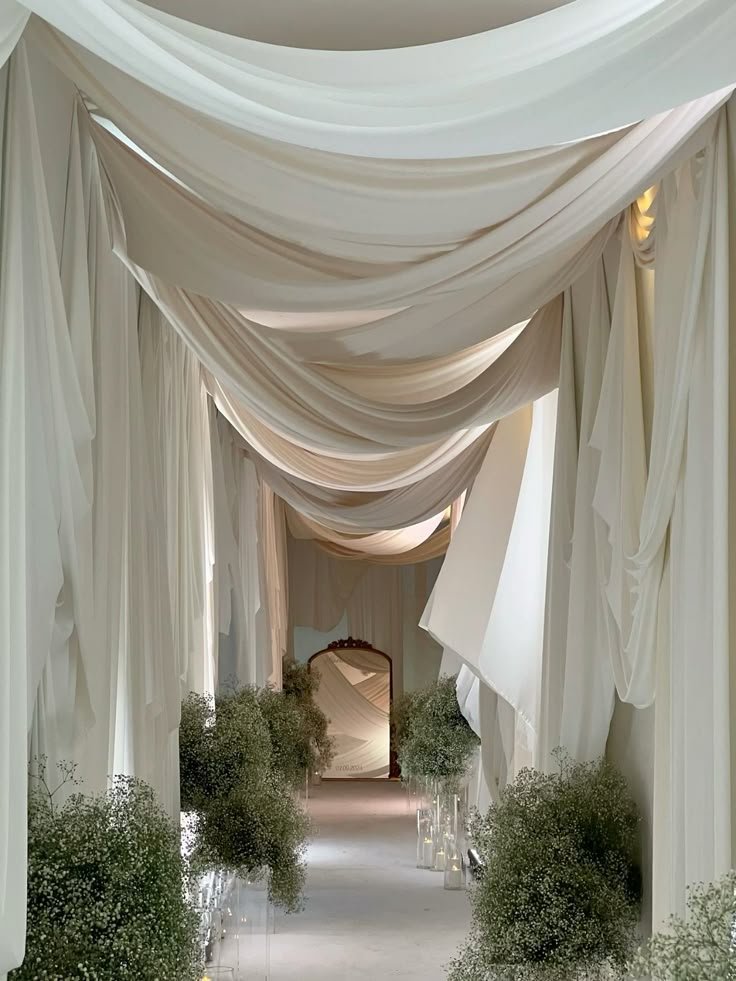
Interior Design Trends 2026 - dramatic drapery - wedding venue entrance - source pinterest

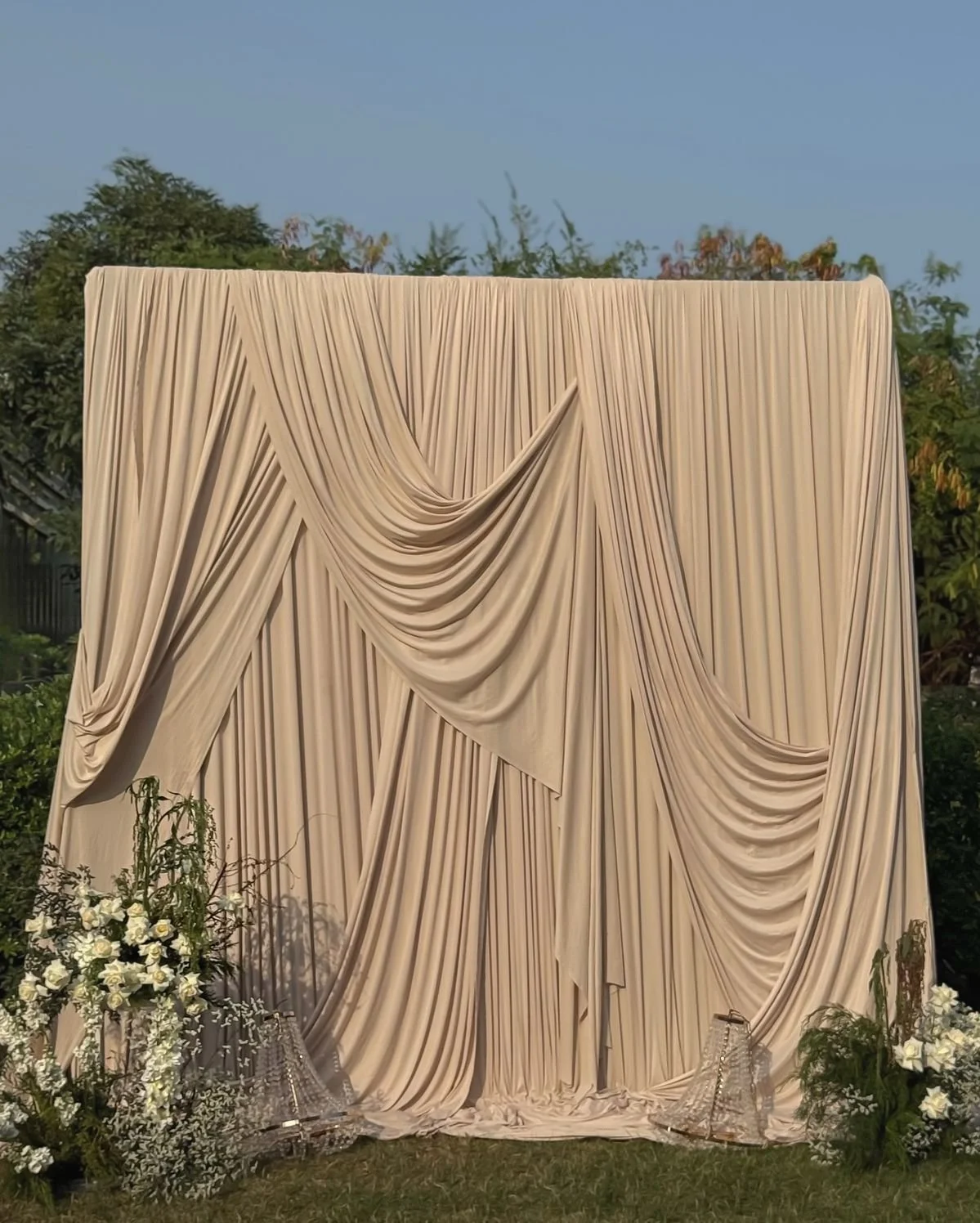
Dramatic drapery used at the entrance of a wedding venue - Source Pinterest

Dramatic Drapery

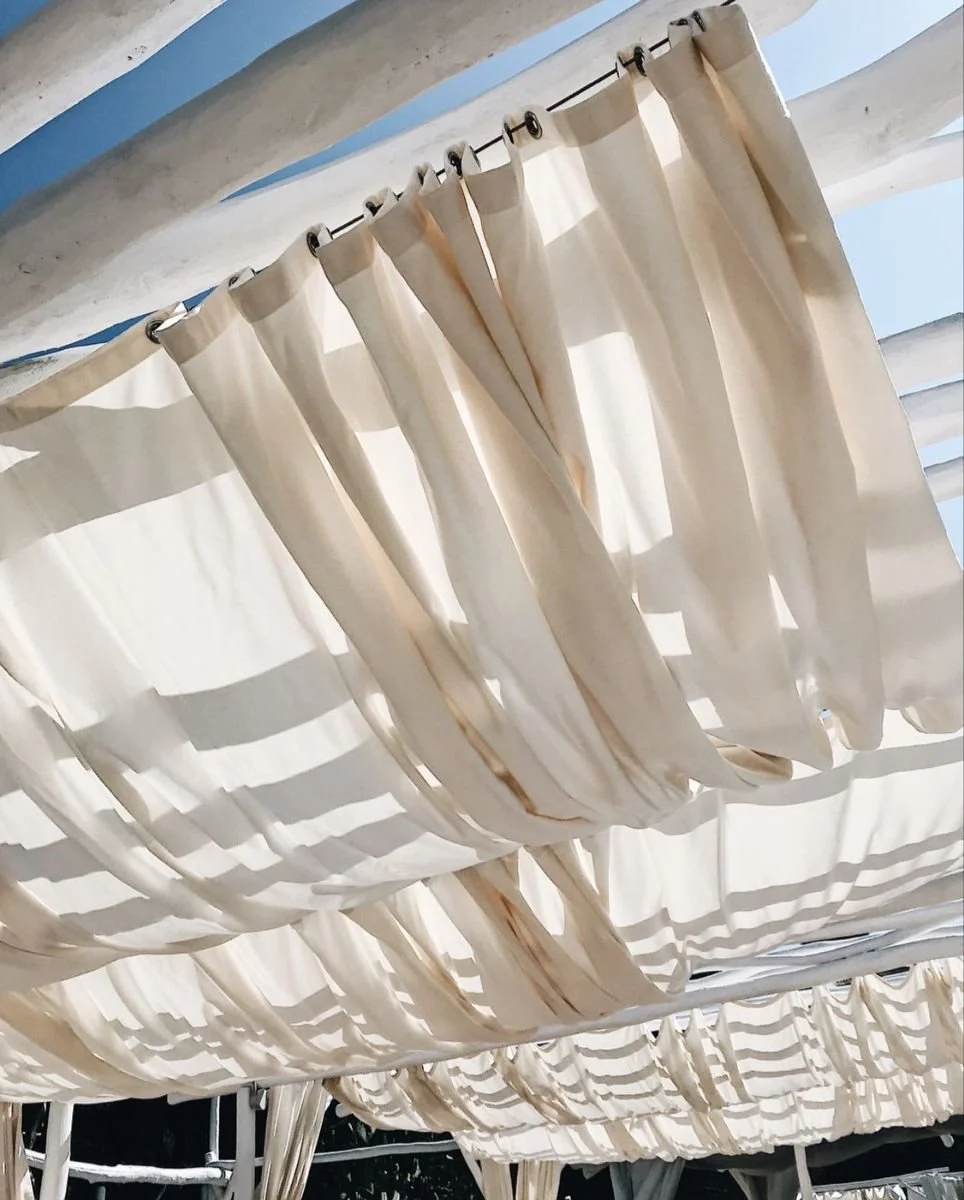
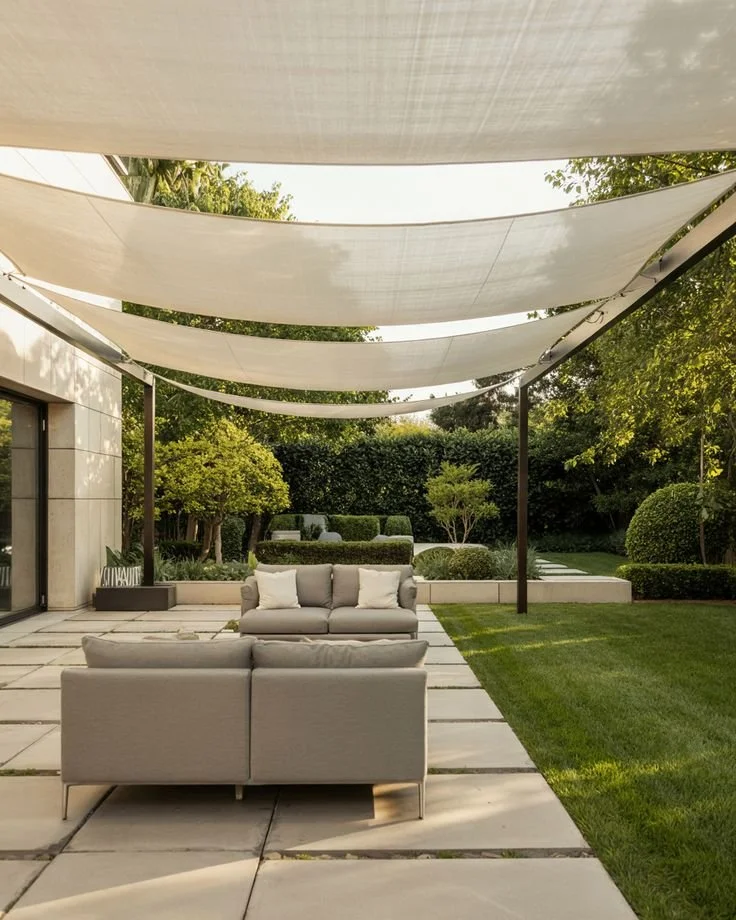
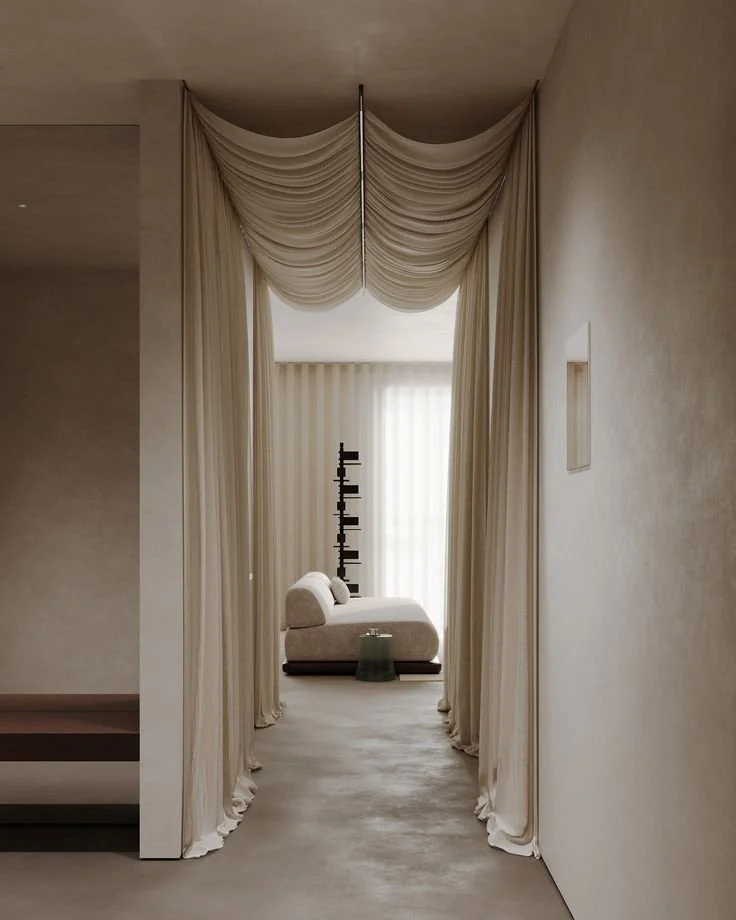
There is no denying the dramatic atmosphere a little drapery can add to any space. Trend setters and designers have been utilizing this technique to design atmosphere that envelope their guests for big events and parties. Now people want to bring those romantic vibe in their homes. From bed canopies to sun shades, dramatic drapery can be incorporated in many (and more practical) ways. I recently did a master bedroom refresh in which I layered embroidered Romans with floor to ceiling curtains to give my large bay window a cozy, elegant feeling. I also suspect I’ll be adding some sort of canopy to our upcoming backyard transformation. The possibilities for this trend are truly endless.

So there you have it! Ten 2026 interior design trends that are on the rise!

If you are curious to see how the rest of my home renovations turned out and what interior design trends I am incorporating into my Toronto Victorian home, you can subscribe to my Instagram and YouTube channel! If you think this list is missing any big 2026 design trends or you are obsessed with anything I shared above, feel free to let me know in the comments below!

Until next time,

- Soheila


PIN THIS POST

SOH AT HOME - EP 3 - REPLACING MY PAPASAN CHAIR CUSHION - EASY SEWING DIY

Papasan Chair Cushion DIY - Nursery Chair - Easy Sewing DIY - Tufted Cushion - Reading Chair

I wanted to reproduced the tufted seat cushion on this Papasan chair for my son’s nursery so he can cozy up and read with his stuffed animals

* Please Note - Some links in this blog post are affiliate links *

Easy Sewing DIY - Papasan Chair Cushion Replacement

I have been holding on to this Papasan chair and foot stool since the beginning of our home renovations. Originally given to me by a relative who was downsizing, I thought it would make for the most comfortable reading chair in Cyrus’s nursery once he started moving. I had this vision of him climbing into it with all his stuff animals, sitting in it all cozy, having the time of his life, ‘reading’ books. I knew it had potential to become a furniture piece he could grow with too so I held onto it for almost two years, moving it from one storage spot to another until all my renovations were done. With literally nowhere else to store it I decided it was time to use it as intended. Since the Papsan chair cushion and foot stool had been through an entire renovation, I really wanted to replace both cushions. I never wrapped it up in plastic or protective sheets so it had been exposed to quiet a lot of dust and for my own peace of mind, I thought it would be best (not to mention fun!) to DIY new tufted cushions. As someone who studied fashion design and worked for an upholsterer back in the day, I can confidently say this is great project for beginners and the principles you learn in the below video can be applied to an array DIY sewing projects.

Thankfully my girlfriend Amanda was open to sharing her atelier with me. She an amazing wedding dress designer that I became friends with during my days at Greta Constantine and it was so nice to catch up and spill some tea! It was also so nice to be back in front of a sewing machine. This project definitely brought a flood of memories from my fashion design days and a desire to try more creative sewing projects. It had been over three years since I had sewn anything and two since I got rid of my sewing studio, so it was a nice walk down memory lane.

easy sewing projects - tufted seat cushion - replacing chair cusion diy - papasan chair - comfortable reading chair cushion - before

The original Papasan chair and foot stool cushions I wanted to replace!

Since I had the original cushions all I had to do was deconstruct the old cushion, throwing away the stuffing and using the red fabric as a pattern. Since I did like the original tufted look, I made note of where they were in case I wanted to follow the exact same placement

Once I had completely deconstructed the pillow, I gave it a good ironing, flattening out the seams before pinning it onto two layers of fabric. For the fabric I am using a soft, almost fuzzy, khaki, polyester fabric with some weight and thickness to it.

With that all laid out nicely and the ‘pattern’/ Original cushion fabric pinned on top I could cut my pieces out.

From here, all I had left to do was sew! Remember, good sides should be together, sandwiched on the inside. As I neared the end, I made sure to leave a 10 inches opening so i could later add my stuffing.

Soh at home - episode 3 - easy sewing projects - tufted seat cusion - replacing chair cusion diy

I loved being back in front of a sewing machine!


FOLLOW ME ON INSTAGRAM @ISTHATSOH

After sewing comes tufting but before you do a tufting stitch you want to turned the sewn pieces right side out and give the seams an iron so it helps them sit flat. You wont be able to do this step later after you add a tufting stitch so its important you do it first.

Side bar- I actually stuffed the small foot stool cushion first before doing the tufting stitch but found it very difficult to do the tufting stitch, so later for the large seat cushion, I did all my tufting stitches first before stuffing which made things way easier and definitely the way to go

When it comes to stuffing, I used a hypoallergenic polyester pillow stuffing that I bought 35lbs of (way more than I needed for this project - may have only used half!) from a local supplier. I really wanted the cushion to be that perfect medium, not to soft and not to firm, so I made sure to move the polyester pillow stuffing into all areas, really stuffing it down to create the density I was after.

Once the pillow was completely stuffed and I had achieved my desired density, I could hand stitch the opening close before standing back to admire my work!


ENJOYING THIS CONTENT? CHECK OUT SOME OF MY OTHER EPISODES AND BLOG POSTS!


Update: Cyrus loves his new reading chair and my vision of him climbing into it with all his stuff animals is now a reality!

Alright friends, thank for joining me for another episode of Soh At Home! I hope you enjoyed this tufted cushion DIY and gave it a thumbs up. If you have any questions about replacing your Papasan Chair Cushion feel free to leave them in the comments below. I did start a new Instagram for my new Soh At Home series, so if you would like to show your support, feel free to give it a follow!

Until next time,

- Soheila


PIN THIS POST

SOH AT HOME - EP2 - GOLD FOIL CEILING DIY TUTORIAL

Ceiling Design - gold foiling - ceiling cove - ceiling ideas

Here I go! Trying something I’ve never done before!

* Please Note - Some links in this blog post are affiliate links *

Gold Foil Ceiling DIY

Prior to starting our basement underpin my husband and I knew we needed a space to gather, relax, watch TV and play with our son. I had already been gathering inspiration for months and was drawn to the idea of designing a space that felt more like a theatre room versus a secondary living room. Given that I live in a 125+ years old Toronto Romanesque Victorian, gold foiling the ceiling just felt appropriate. I knew if I could pull off applying the gold foil, the combination of the cove ceiling and the recessed LED light channel would take the room’s ambience to a whole new level. Still, I had never gold foiled anything before. Intimidated by the idea, I did a lot of research before starting and can thankfully report that there was no need to be. Applying gold foil to the ceiling was super fun, almost meditative and honestly it’s kind of a forgiving DIY material. There is no need to worry about not having lots of experience with this one, just be ready to get covered in glitter after.

Gold Foil Experiment

If you aren’t following me on Instagram you would have totally missed the series of stories I posted this past April of my gold foil experiment. Essentially I had sourced some imitation gold foil from China and had received several gold variation samples to try. Since we were in the process of finishing our basement, I grabbed a left over piece of drywall and over the next two days fixed it up and got it paint ready.

During my research I had noticed a base coat was used in several references. Still I had questions…. If you properly cover the area in foil, is it really necessary? Is a base coat just red paint? What makes it special? So during my sample test I experimented and applied a red base coat to only half of the test piece and although in the end I concluded that there really was no difference from the side that did have a base coat vs the side that didn’t, I did use a base coat on my basement ceiling.

Ultimately my husband reminded me that I was doing this for the first time and this was not the project to skip steps on. LOL! So I did it. Just to be clear though, I do not think a base coat is any different from a water based red paint or is special in any way. Maybe if you are using real gold foil it would be different but for the imitation stuff, I did not notice any difference following my gold foil experiment.

In the end I choose ‘light gold’ for the basement. I knew the LED cove lighting would warm it up so I tried to keep that in mind when visualizing what it would look with the green cabinetry and cream walls. If you are going to attempt to do a room vs an object, I recommend you take the lighting and colour of the room into account because it will have an effect on the foil.

Gold Foil Ceiling - cove ceiling - ideas for ceiling in basement - home theatre design

After finishing the ceiling I painted one wall green and noticed it sent an unexpected cast onto the ceiling so I pivoted!

Where To Get Gold Foil Materials

Other than the imitation gold foil which I sourced online from China, all the other materials you need for this DIY you can find at your local sculpture art store and hardware store. You can also find some of them on my Amazon Storefront.


FOLLOW ME ON INSTAGRAM @ISTHATSOH

Gold Foiling The Ceiling Steps & Tips

Ceiling Cove Recessed LED light channel - basement ceiling ideas

Fixed up the drywall edges before starting the foiling process.

Step 1 - Prep your workspace

I know ‘you’re only going to be as good as your base’ so the first thing I did was prep my workspace. The drywall edges along the ceiling cove were rough and had lots of gaping so I used Polyfilla all along the edges, applying it generously with a spatula before wiping all excess away. Once the Polyfilla dried I gave it a quick sand, vacuumed the area and applied a coat of primer.

Tools & Materials Used:

TIP: Cover your floors! I spilled glue a few times during this DIY and was very thankful I had put a protective layer down to protect my new floors.

Ceiling Design - gold foiling - base coat - ceiling cove - ceiling ideas

Applied a red base coat to the entire ceiling

Step 2 - Apply your red base coat

Once my primer was dry I could begin applying my base coat. To do this I used a microfibre roller and rolled it on the entire area.

Tools & Materials Used:

  • Gold Foil Base Coat *check can to see if you need to shake it before opening*

  • Microfiber Roller

  • Paint Tray

  • Stir Stick

TIP: Although rolling the base coat on was really easy, I do remember the roller soaked up a lot of product and the biggest size I could find of the base coast was a 32 Oz Quart. I had ordered two cans and just had enough to cover my ceiling. If you are going to do a red base coat my advice is to get more of this product than you need because it doesn’t go as far as you would think. The next two product, the adhesive and sealer, actually do go further but this base coat doesn’t…

Still so suspect about the base coat. LOL

Ceiling Design - gold foiling - ceiling cove - ceiling ideas

The Metal Leaf Adhesive starts milky and turns clear after an hour

Step 3 - Apply Metal Leaf Adhesive

When the base coat dried completely I could move onto the adhesive. You need to apply the adhesive generously without leaving puddles and wait an hour for it to get tacky. When you first apply the adhesive it will have a milky appearance but as it sets and becomes tacky it will go clear. That is how you know it’s ready for foil.

Tools & Materials Used:

  • Gold Foil Adhesive *check can to see if you need to shake it before opening*

  • Paint Brush (my preferred) or Roller

  • A clean take out food container (I used this to hold and store my glue so I didn’t have to contaminate the can

TIP: Since I could only work on this project during my son’s nap time and in the evenings, I decided to work in three foot by three foot sections. This project did take me a few weeks to complete so instead of covering the entire ceiling in adhesive I would repeat steps three and four each time to ensure my glue was always ‘fresh’ vs covered in dust or debris from being exposed for multiple weeks. If you are working on a smaller area or have more time available to complete your project, you can totally do it in one go otherwise I would suggest doing it in sections like me.


ENJOYING THIS CONTENT? CHECK OUT SOME OF MY OTHER EPISODES AND BLOG POSTS!


Ceiling Design - gold foiling - ceiling cove - ceiling ideas

Step 4 - Apply Gold Foil

Once the glue becomes tacky you can start applying the foil. I began in a corner and worked my way across one wall. Anywhere you applied glue, foil will stick to. Getting the hang of applying the foil does take a little bit of practice but after you do one pass it gets a lot easier . Even if you do a terrible job with the first pass, know you can always go over it. That’s what I did after I finishing the whole ceiling. I had perfected the application by the end and went back to that first strip of wall, applied glue, waited an hour, and did the whole section over. You can’t even tell there are two layers of material so don’t worry about getting it perfect.

When applying the foil, the easiest way to do it is to try and overlap the sheets so you know you’re covering everything but since I don’t live in a perfect world where I get the placement right every time, if you do have gaps, you can just take some scrap foil and place it is that area. Foil will stick to anything that has glue on it and any excess will get brushed away so you wont notice the small gaps you covered up with scrap foil in the end.

Every once and awhile I would throw up a laser level just to reset my lines but honestly I didn’t fuss to much about getting them perfectly straight all the time and I don’t think it shows or is even noticeable in the end.

Once I applied foil to the entire section I was working on I would use a wide, flat head brush to push out all the air bubbles before going back in with a small fluffy head brush and gently brush all the excess foil away. This is the super messy bit of the project so be prepared for everything to be covered in glitter.

Tools & Materials Used:

  • Gold Foil Sheets

  • Wide, Flat head brush

  • Small fluffy head brush

TIP: I noticed in the first pass that the foil was very delicate and would get stuck to any small amount of adhesive that was left behind on my hands. To help minimize this I would rub a drop or two of olive oil on my hands after completing step 3 (applying the adhesive). This I found significantly helped make the foil application processes go smoother.

Gold Foil Ceiling - cove ceiling - ideas for ceiling in basement - home theatre design

Step 5 - Apply Gold Leaf Sealer

Once I completed the whole ceiling it was time to add our final coat, a sealer. For this I used a foam roller which, not so much that you would notice but did leave some streaks if I look closely. If I could do this part again, I would maybe try a microfiber roller over a foam roller for his application, or maybe do two coats as I only did one, but yea, didn’t love the foam roller for this step.

Tools & Materials Used:

  • Metal Leaf Sealer *check can to see if you need to shake it before opening*

  • Microfiber Roller

  • Paint Tray

Alright friends, thank for joining me for another episode of Soh At Home! I hope you enjoyed this Gold Foil Ceiling DIY tutorial and gave it a thumbs up. If you have any questions about my gold foil ceiling or cove ceiling design feel free to leave them in the comments below. I did start a new Instagram for my new Soh At Home series so if you would like to show your support, feel free to give it a follow!

Until next time,

- Soheila


PIN THIS POST

Gold Foil Ceiling Tutorial Episode 2 of Soh At Home Basement Reveal